Lifestyle & Relocation
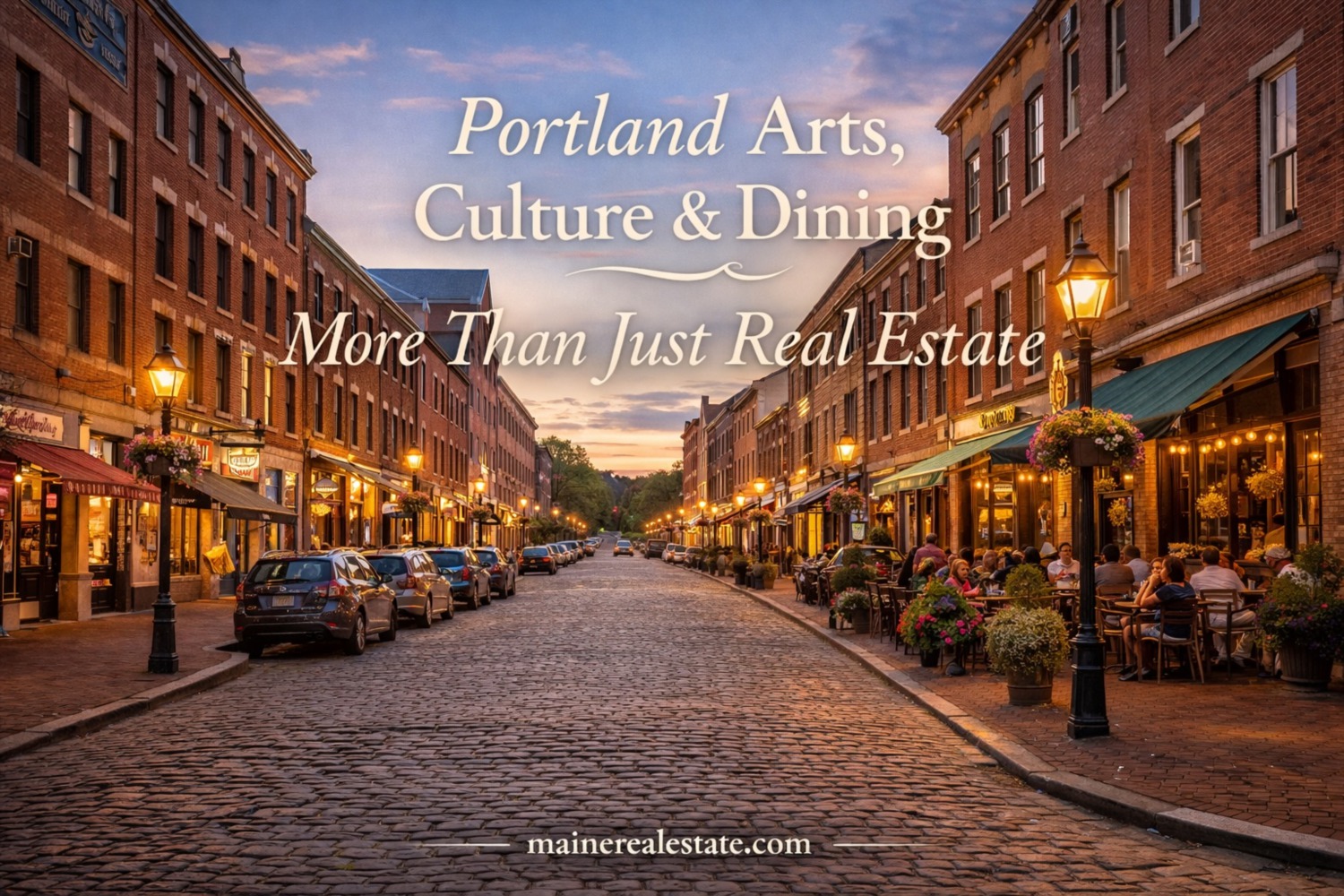
Portland, Maine has transformed into one of America’s most vibrant mid-sized cities, earning national recognition for its exceptional food scene, thriving arts culture, and creative energy. The city’s population of 68,000 punches far above its weight when it comes to culinary innovation, cultural programming, and quality of life. This cultural renaissance directly drives real estate demand, with professionals, artists, creative entrepreneurs, and residents of all backgrounds seeking walkable neighborhoods close to exceptional restaurants, galleries, and entertainment venues. Understanding Portland’s cultural landscape reveals why the city has become southern Maine’s primary attraction for lifestyle-driven real estate buyers.
The past 15 years have witnessed a genuine transformation in Portland. Where once the city struggled with downtown revitalization and limited hospitality options, it now ranks among America’s best food destinations per capita. National media outlets regularly feature Portland’s restaurant scene, food writers visit specifically to research stories, and culinary professionals relocate to participate in the city’s dynamic food culture. This cultural shift has fundamentally changed Portland’s real estate market, making walkable downtown and near-downtown neighborhoods increasingly valuable.
Portland’s National Reputation for Food and Dining
Portland has earned remarkable national recognition for its food scene, frequently appearing in “Best Food Cities” lists from Food & Wine, Bon Appétit, and Saveur magazines. The city’s culinary reputation stems from exceptional ingredient access, creative chefs, and a dining population that values quality food and culinary innovation. Approximately 85 restaurants operate within Portland proper, with additional establishments in surrounding communities, creating extraordinary dining density for a city of 68,000 residents.
The city’s Old Port district serves as the epicenter of dining culture, with Congress Street offering additional restaurants, breweries, and food-focused businesses. The food scene emphasizes local ingredients, seasonal menus, and farm-to-table preparation reflecting Maine’s agricultural heritage and coastal bounty. Restaurants range from casual lunch spots to fine-dining establishments, accommodating diverse budgets and dining preferences.
Notable restaurants include Fore Street, which helped pioneer Portland’s farm-to-table movement and maintains national recognition for ingredient sourcing and preparation. Eventide Oyster Co. has become a destination restaurant drawing visitors from throughout New England for exceptional seafood. Hugo’s represents the highest end of Portland fine dining with inventive preparation of exceptional ingredients. Tangled Up in Blue, Miyake, and Aurora Provisions represent the city’s diversity, from casual Italian to Japanese cuisine to prepared foods marketplace.
Portland’s food scene isn’t just about exceptional restaurants. It reflects a genuine culinary culture where chefs, farmers, fishermen, and diners are deeply connected in a shared commitment to extraordinary food.
Beyond established restaurants, Portland’s food culture includes exceptional bakeries (Standard Baking Company, Holy Donut), coffee culture (Bard Coffee, Coffee by Design), and food-focused retail. The city hosts a year-round farmers market offering fresh produce, specialty foods, and prepared items. Food tours have become established tourism offerings, with guides leading visitors through Old Port restaurants and educating visitors about Portland’s culinary evolution.
Thinking About Moving to Portland?
Our team at Bean Group specializes in helping buyers discover Portland neighborhoods that match their lifestyle. If Portland’s vibrant food and culture scene appeals to you, we can show you properties in walkable neighborhoods with immediate access to the dining and cultural attractions that make the city special. Browse available homes in Portland or schedule a consultation with our team.
The Brewery and Beverage Scene
Portland’s brewery culture has exploded over the past decade, with craft breweries becoming destination venues for locals and visitors. Allagash Brewing Company, founded in 1995, helped pioneer Maine’s craft beer movement and now distributes nationally while maintaining Portland headquarters and an exceptional taproom. The brewery offers tours showcasing beer-making processes and hosts community events strengthening local connection.
Additional breweries including Oxbow Brewing Company, Liquid Art Brewing, Geary’s Brewing Company, and Foundation Brewing create a robust craft beer ecosystem. These breweries operate as genuine community gathering places, far beyond typical bars, offering live music, food truck partnerships, trivia nights, and social programming. Many operate spacious taproom facilities with outdoor areas, creating vibrant public spaces particularly during warmer months.
Portland’s beverage culture extends beyond beer to cocktail bars emphasizing craft spirits, house-made syrups, and creative preparations. Whiskey-focused bars, wine bars, and coffee culture venues round out the beverage landscape. This brewery and beverage scene drives foot traffic throughout the Old Port and waterfront areas, creating a vibrant evening and weekend atmosphere that attracts residents seeking walkable, entertainment-rich neighborhoods.
Art Galleries and the First Friday Art Walk
Portland’s arts district encompasses dozens of galleries, studios, and performance spaces concentrated primarily in the Congress Street corridor. This area has undergone remarkable transformation as galleries moved into former commercial and industrial spaces, creating affordable artist venues that attract creative professionals. Spaces range from large galleries featuring established Maine and regional artists to small studios where artists work openly and interact with the public.
The monthly First Friday Art Walk has become Portland’s signature cultural event, occurring the first Friday of each month from 5-8 PM. Galleries open their doors, offer refreshments, and frequently feature artists discussing work or special exhibitions. Street performers, pop-up venues, and food vendors create festive atmosphere. Thousands of residents and visitors participate in these walks, creating visible cultural vibrancy and community gathering.
The Portland Museum of Art serves as the region’s most significant cultural institution, with expanding facilities and rotating exhibitions covering contemporary art, Maine art history, and international installations. The museum offers educational programming, lectures, and community events creating intellectual engagement around visual culture. The museum’s renovated and expanded facility represents significant community investment in arts and culture.
Artist studios remain active throughout the arts district, with open studio events allowing public access to working artists’ spaces. This accessibility to the creative process represents a distinct advantage of Portland’s arts culture. Residents engage directly with artists rather than encountering only finished work in commercial galleries. This creative accessibility attracts artists, creative professionals, and those drawn to authentic artistic communities.
Performance Arts and Cultural Institutions
Merrill Auditorium serves as Portland’s premier performing arts venue, hosting the Portland Symphony Orchestra, ballet companies, theatrical productions, and touring artists. Built in 1912 with recent renovations, the auditorium maintains exceptional acoustics and intimate audience connection. The Portland Symphony Orchestra performs classical, pops, and welcoming concerts throughout the season, attracting thousands of residents to downtown performances.
Theatrical productions occur throughout the city via professional companies, community theater groups, and smaller venues. The Repertory Theatre presents contemporary and classic plays in professional facilities. Smaller theaters and black box venues host experimental theater, musical theater, and comedy programming. This theatrical diversity appeals to residents seeking varied performance opportunities beyond large auditorium productions.
The Cross Insurance Arena (20 minutes south in South Portland) hosts larger touring acts, sports events, and major performances, providing access to concerts and events that exceeds most mid-sized cities. Portland residents benefit from proximity to major touring acts without requiring travel to Boston or larger cities. This access to quality entertainment significantly enhances the region’s cultural appeal.
Live music abounds throughout Portland, with numerous venues hosting jazz, blues, folk, rock, and classical performances. Local musicians maintain strong presence, creating genuine communities around specific musical genres. From formal concert halls to casual brewery performances, Portland’s music scene accommodates diverse preferences and budgets, supporting a vibrant cultural calendar.
Ready to Make Portland Your Home?
Whether you’re relocating from Boston, New York, or another part of Maine, our team understands what draws people to Portland’s vibrant neighborhoods. We’ll help you navigate the market and find a home in a community that matches your lifestyle. Learn more about relocating to Maine or get a free home valuation if you’re selling your current home.
Museums and Educational Institutions
The Portland Museum of Art has expanded significantly in recent years, with renovations creating additional gallery space, educational facilities, and community gathering areas. The museum collection emphasizes Maine artists and art history while featuring contemporary works and international exhibitions. Educational programming includes lectures, workshops, art classes, and community programming supporting intellectual engagement with visual culture.
The Peary-MacMillan Arctic Museum at nearby Bowdoin College (30 minutes north) maintains one of the nation’s most significant polar exploration collections. The museum explores polar history, indigenous cultures, and contemporary Arctic issues. While located in Brunswick, the museum’s significance for northern New England means Portland residents have access to internationally important cultural resources.
The Cape Elizabeth Historical Preservation Society and local historical societies throughout southern Maine preserve community history through exhibits, publications, and educational programming. These smaller institutions support historical knowledge and community identity, particularly valuable for those seeking to understand Maine’s cultural heritage.
Portland’s cultural institutions, from the Museum of Art to smaller galleries and performance spaces, create an intellectual and creative environment that attracts residents seeking cultural engagement and intellectual stimulation.
Neighborhoods with Best Cultural Access
The West End neighborhood encompasses approximately 40 blocks of historic residences, trees, and quiet streets directly adjacent to downtown and cultural venues. Real estate here ranges from $350,000 to $750,000 for residential properties, with excellent walkability to Congress Street galleries, restaurants, and performing arts venues. Many residents choose West End specifically for the neighborhood’s combination of residential character, tree-lined streets, and immediate proximity to downtown culture.
Downtown Portland includes residential lofts and apartments within the commercial core, offering maximum walkability to restaurants, galleries, and entertainment venues. These properties typically range from $300,000 to $600,000 and appeal to those prioritizing urban living with minimal need to drive. Downtown living provides 24-hour access to shops, restaurants, and cultural venues, supporting active engagement with urban lifestyle.
Munjoy Hill, an historic residential neighborhood overlooking Portland Harbor, offers excellent access to downtown culture via modest walks while maintaining distinct neighborhood character with tree-lined streets and community gathering spaces. Properties here range from $330,000 to $700,000, offering good value relative to proximity to downtown cultural venues.
The Arts District along Congress Street offers mixed-use properties combining commercial gallery or studio space with residential lofts above. These unique properties appeal to artists, creative professionals, and those seeking immediate connection to cultural institutions. Prices vary widely depending on specific location and property configuration.
For more information about Portland neighborhoods, check out our complete Portland living guide. Nearby South Portland offers similar cultural access with a slightly quieter suburban setting, while Scarborough provides beach communities with a short drive to Portland’s attractions.
How Cultural Amenities Drive Real Estate Value
Portland’s cultural renaissance directly impacts real estate values and market dynamics. Properties a short distance from downtown restaurants, galleries, and performance venues command significant premiums compared to neighborhoods lacking this cultural proximity. Professionals, creative entrepreneurs, and residents increasingly prioritize walkable access to culture, dining, and entertainment when selecting neighborhoods, driving demand for properties in West End, Downtown, and Munjoy Hill.
Real estate trends show consistent appreciation in Portland neighborhoods with strongest cultural amenities. The West End has experienced substantial appreciation over the past decade, with single-family homes appreciating 40 to 60% while the broader Portland market appreciated 35 to 45%. This outperformance reflects strong demand from buyers prioritizing cultural access and walkability.
Cultural amenities also support retention and satisfaction. Residents who invest in Portland neighborhoods for cultural engagement tend to remain long-term, reducing turnover and supporting stable, vibrant communities. This resident stability supports local businesses, cultural institutions, and community programming, creating virtuous cycles that strengthen neighborhoods.
The restaurant scene particularly influences relocation decisions. Studies show proximity to quality dining options ranks among top factors for professionals selecting neighborhoods. Portland’s national food reputation drives interest from skilled workers, entrepreneurs, and creative professionals seeking communities that support their lifestyle preferences. This talent attraction supports economic growth and community vitality.
Seasonal Programming and Community Events
Portland’s cultural calendar includes numerous seasonal events attracting residents and visitors throughout the year. Summer brings outdoor concerts, festivals, and waterfront programming. The Old Port Festival in early summer attracts thousands of visitors for music, food, and street performances. Movies on the lawn provide outdoor film screenings in summer months.
Fall programming includes gallery openings, art events, and cultural initiatives celebrating the artistic community. Winter includes holiday programming, performances, and festive atmosphere. Spring marks the beginning of outdoor season with performances moving to parks and waterfront venues. This continuous programming ensures year-round cultural engagement regardless of season.
Specific festivals focus on particular interests. The Portland Craft Beer Fest celebrates the brewery community, food-focused events celebrate local cuisine, and various musical festivals celebrate specific genres. Community members can continuously engage with cultural programming aligned to their interests, supporting deep community integration.
Finding Your Ideal Portland Home
Portland’s cultural assets are a major draw for new residents, but finding the right neighborhood and property requires local expertise. Our team at Bean Group understands Portland’s distinct neighborhoods and can help you find a home that matches your lifestyle and budget. Whether you’re interested in walkable downtown living, quiet residential neighborhoods with cultural access, or investment properties in emerging areas, we’ll guide you through the market. Start browsing Portland homes today or contact our team for a personalized consultation.
Frequently Asked Questions About Portland’s Arts & Culture Scene
Is Portland’s food scene really as good as people say?
Yes. National media outlets consistently recognize Portland as one of America’s top food cities per capita. The combination of talented chefs, exceptional local ingredients, and a dining population that values quality creates genuinely outstanding restaurants. While not every restaurant achieves national recognition, dining quality throughout Portland exceeds most comparable-sized cities. The food scene is authentic rather than hype-driven, with restaurants focused on quality over trend-following.
Which Portland neighborhoods offer the best cultural access?
The West End, Downtown, and Munjoy Hill offer the best walkable access to galleries, restaurants, and performance venues. West End provides urban amenities with residential character and tree-lined streets. Downtown offers maximum walkability with immediate access to cultural institutions. Munjoy Hill offers neighborhood character while maintaining downtown proximity. South Portland and Scarborough residents can access culture via short drives, trading walkability for suburban amenities. See our detailed Portland neighborhoods guide for more information.
Do I need to go downtown for cultural events?
Most significant cultural events concentrate downtown or in Old Port areas. However, breweries throughout the city host live music and performances. Some galleries operate outside the Congress Street corridor. Performance arts primarily concentrate at Merrill Auditorium downtown. For maximum cultural engagement, proximity to downtown is advantageous, though technology and organization enable non-downtown residents to access cultural programming regularly.
How expensive is Portland dining?
Portland restaurants range from casual (entrees $8-15) to fine dining ($40-60+ per entree). The food scene accommodates varied budgets, with exceptional quality available at all price points. Local standards like Holy Donut and casual lunch spots offer excellent food affordably. Fine dining represents smaller portion of scene. Overall, Portland offers better value for quality dining than major northeastern cities like Boston or New York.
Is Portland’s cultural scene year-round or mainly summer?
Portland maintains year-round cultural programming. Winter may see reduced outdoor events, but galleries, museums, restaurants, and performance venues operate consistently. Many residents and visitors find off-season less crowded and more authentic. Summer brings additional outdoor programming and tourism, but fall, winter, and spring offer genuine cultural engagement without seasonal crowds.
How does Portland compare to other southern Maine communities for culture and dining?
Portland is southern Maine’s primary cultural hub with the highest concentration of restaurants, galleries, and performance venues. South Portland offers some cultural access with a quieter setting. Scarborough emphasizes beaches and schools. Falmouth and Cumberland offer suburban character. For maximum cultural engagement, Portland is the top choice, though commuting from nearby communities to downtown events is certainly feasible.
Which Portland neighborhoods offer the best mix of residential character and cultural access?
Yes. West End offers strong residential character with walkable cultural access. Downtown living appeals to residents seeking urban lifestyle. Munjoy Hill provides welcoming neighborhoods with downtown proximity. Many residents choose communities like Scarborough or Falmouth for school systems while accessing Portland culture via short drives. Our team can help you find Portland-area neighborhoods that match your priorities. Compare local school districts to find the best fit.
Is it a good time to buy a home in Portland?
Portland’s cultural amenities drive consistent real estate demand, making it a strong long-term investment. Current market conditions favor both buyers and sellers depending on property type and location. Our team at Bean Group stays current with market trends and can advise you on the best timing for your situation. Get your free home valuation to understand your home’s current market value, whether you’re buying or selling.