
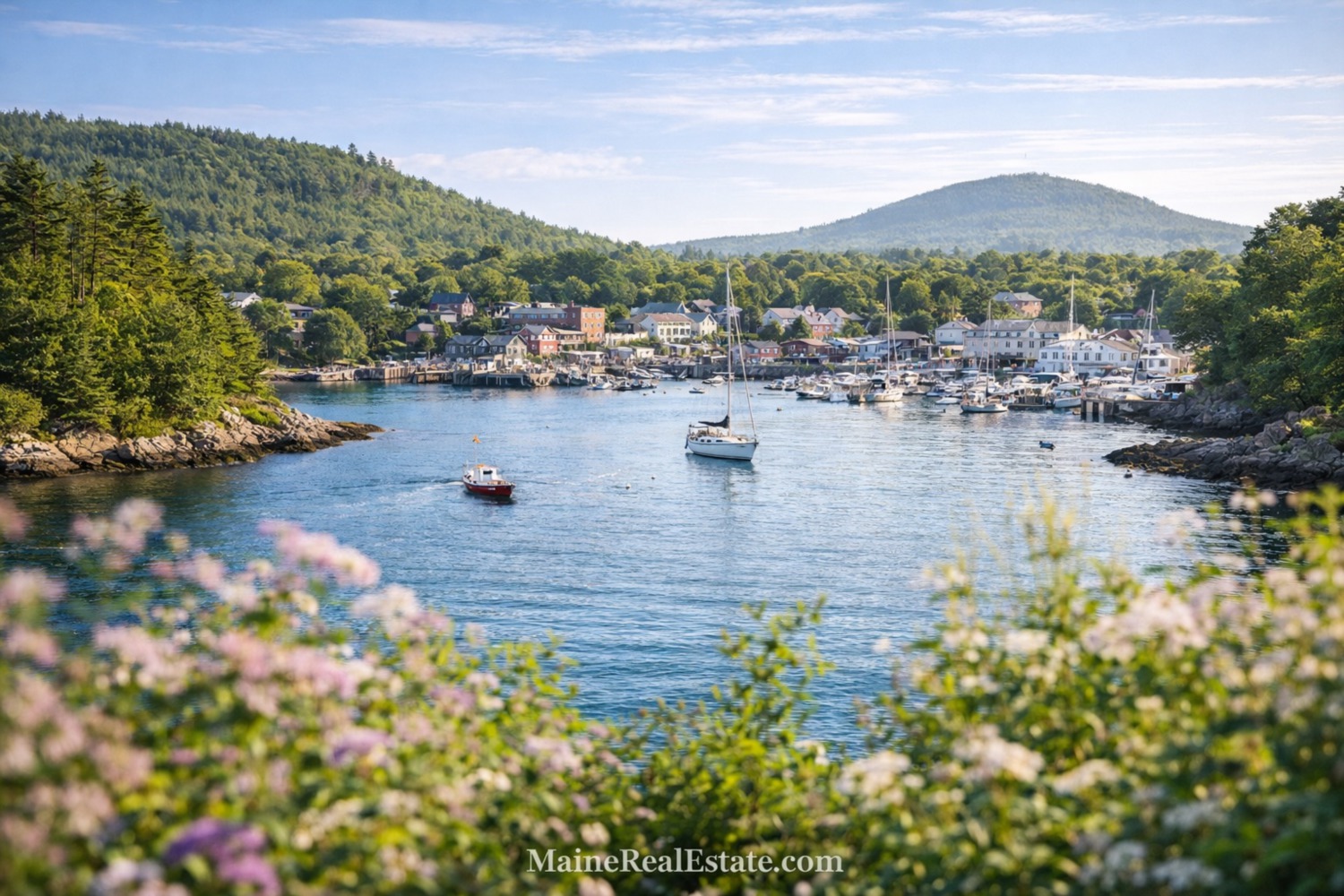
There’s something about Midcoast Maine that gets into your bones. Maybe it’s the way the light hits the water in late afternoon, or how the salt air seems to carry centuries of maritime tradition. Maybe it’s the genuine friendliness of locals who actually want you to discover their corner of the world, even if you’re moving there permanently. Whatever it is, more people are asking about Midcoast Maine real estate every year, and for good reason.
If you’re searching for “living in Midcoast Maine” or scanning listings for “Midcoast Maine homes for sale,” you’re probably wondering what makes this region different from Portland’s crowded neighborhoods or Bar Harbor’s tourist crush. The answer is simple: Midcoast Maine offers authentic New England coastal living without the marketing machine. It’s where small-town charm, thriving arts scenes, and genuine community still matter.
This guide will walk you through everything you need to know about the Midcoast Maine real estate market, from pricing trends to the unique character of each town, so you can decide if this beautiful region is where your next chapter belongs.
What Makes Midcoast Maine So Special
The Midcoast isn’t famous. That might sound like a disadvantage, but it’s actually Maine’s greatest gift to people seeking a different kind of life.
This region doesn’t trade on hype. There are no souvenir shops hawking lobster-themed merchandise on every corner. You won’t find chain restaurants or box stores dominating downtown areas. Instead, you’ll find communities where local ownership still matters, where the woman making your coffee remembers your name, where restaurants source from nearby farms, and where genuine civic involvement means people actually show up to town meetings.
The Midcoast occupies a magical middle ground. It’s far enough from Portland (about 90 minutes south) to have its own identity and lower price points, yet close enough that you’re not isolated. It’s accessible enough for weekend visitors but under-the-radar enough that the infrastructure hasn’t been overwhelmed by tourism. The region stretches from the southern edge of Freeport to the northern reaches of the Penobscot Bay, encompassing Sagadahoc and Waldo counties plus parts of Lincoln County.
Here’s what residents love: tight-knit communities with real Main Streets, an extraordinary concentration of artists and creative professionals, access to outstanding outdoor recreation, and a genuine commitment to sustainability and local food systems. Plus, the cost of living remains remarkably reasonable compared to southern Maine or Massachusetts.
Defining the Midcoast: Where It Is and What It Includes
When we talk about Midcoast Maine real estate, we’re discussing a region that defies precise political boundaries but has its own unmistakable character. Geographically, it spans the area between Freeport and the Blue Hill Peninsula, centered roughly around the Penobscot Bay.
Sagadahoc County forms the southern anchor, with average home prices hovering around $333,000. Waldo County to the north has seen remarkable growth, with median home prices reaching approximately $258,000 and a 28% increase in recent years as more buyers discover communities like Belfast and Searsmont. Lincoln County rounds out the eastern edge with picturesque villages along Maine’s most dramatic coastline.
The region includes these essential towns: Bath, Brunswick, Wiscasset, Damariscotta, Waldoboro, Thomaston, Rockland, Camden, and Belfast. Each has distinct personality, but all share that ineffable Midcoast vibe: authenticity, community engagement, and genuine attachment to place.
Route 1 is the spine of the Midcoast, the scenic highway that connects these communities and has become a destination in itself. Rather than an interstate cutting through farmland, Route 1 weaves through downtown areas, past lobster shacks, antique shops, galleries, and restaurants. This is living in the real Maine, not bypassing it.
Discover Your Midcoast Maine Home
The Midcoast’s charming towns, character, and affordability make it increasingly attractive to relocators and buyers. Bean Group specialists know the Midcoast market inside and out. Let’s help you find your perfect Midcoast home.
The Towns of Midcoast Maine
Brunswick
Brunswick is where the Midcoast touches sophistication. Home to Bowdoin College, this town of approximately 8,000 residents has an intellectual and cultural vibrancy that punches well above its size. The college’s presence brings excellent museums, regular lectures and performances, and an influx of educated residents and visitors.
The downtown area, centered around Maine Street, remains one of Maine’s finest. You’ll find independent bookstores, farm-to-table restaurants, galleries, and genuine community gathering spaces. The college’s endowment has helped maintain historic architecture and support local initiatives, creating a town that feels prosperous without being pretentious.
If you’re buying in Brunswick, you’re investing in stability and cultural richness. Home prices are higher than in some neighboring communities, reflecting the town’s appeal to professionals, academics, and residents seeking excellent schools, but still remain reasonable by New England standards. The Bowdoin Pines neighborhood offers beautiful historic homes; the downtown area has seen smart renovation and infill development.
Bath
Bath is a working waterfront town with genuine soul. For generations, this has been the heart of Maine’s maritime industry. Bath Iron Works (BIW), the massive naval shipyard on the Kennebec River, has employed thousands and shaped the town’s character for over 130 years. Today, BIW remains one of Maine’s largest employers, building naval destroyers and maintaining thousands of jobs.
But Bath is so much more than one employer. The town has deliberately cultivated its maritime heritage, tourism appeal, and quality-of-life initiatives. The Maine Maritime Museum tells the story of Maine’s seafaring past. Downtown Bath offers excellent restaurants, galleries, and shops without feeling forced or touristy. Historic neighborhoods feature stunning Victorian and Colonial homes with river views.
Notably, housing in Bath runs about 5% below the state housing average, making it an exceptional value for buyers seeking a town with real character and employment diversity. The sense of community here is palpable, this is a place where people know their neighbors and care about their town’s future.
Wiscasset
“The Prettiest Village in Maine,” as Wiscasset markets itself, is perfectly named. This village sits where the Sheepscot River meets tidal marshland, and the setting alone would be worth the move. Historic buildings dating to the 1700s line Main Street, including the Castle Tucker mansion and the Old Lincoln County Jail, now a museum.
Wiscasset has successfully threaded the needle between tourism and authenticity. Yes, visitors come here, the outlet shopping and restaurants draw day-trippers heading north, but the town hasn’t surrendered its character. The historic district maintains strict architectural guidelines. Local ownership of businesses remains strong. The community actively works to maintain its village feeling.
Home prices in Wiscasset average around $396,000, placing it at the higher end of the Midcoast range but justifiable given the extraordinary setting and historic character. If you want a home with genuine history and a picture-perfect New England village as your front yard, Wiscasset delivers. Many homes come with stories stretching back centuries.
Damariscotta
Damariscotta sits at the mouth of the Damariscotta River and offers a more laid-back alternative to Wiscasset. The downtown area, centered around Main Street, has undergone remarkable revitalization in recent years. Locally-owned restaurants, galleries, bookstores, and shops create a genuine downtown that people want to visit and live in.
The town has attracted entrepreneurs, artisans, and newcomers seeking community without pretense. The Damariscotta region is known for farming and food, local producers, farmers’ markets, and farm-to-table restaurants have established the area as part of Maine’s emerging “Foodie Coast.” The Maine Coast Book Shop has become legendary among New England readers. The Oyster Festival each fall draws thousands.
Damariscotta real estate offers excellent value with tremendous appeal. You’ll find historic homes, newer construction, and everything in between. The community feeling is exceptionally strong, people are engaged, businesses support each other, and newcomers find genuine welcome.
Waldoboro
Waldoboro deserves more attention than it typically receives. This working-class town on the eastern edge of the Midcoast has avoided becoming a tourist destination, which actually makes it more appealing to people seeking authentic Maine living.
The town was founded by German settlers in the 1700s (hence its unusual maritime and cultural heritage), and that diverse history still shows in the architecture and community character. Moody’s Diner, an absolutely classic Maine experience, sits right on Route 1, a real diner serving real food to real Mainers.
What makes Waldoboro special is its affordability combined with proximity to Rockland’s arts scene and coastal beauty. Home prices here are notably lower than in nearby towns, yet the community is experiencing a quiet renaissance. A new generation of residents, artists, residents, professionals working remotely, is quietly transforming the town while maintaining its character. Downtown Waldoboro still has that “real Maine” feel: working waterfronts, fishing boats, unpretentious restaurants, and locals who have roots going back generations.
Thomaston
Thomaston is one of Maine’s best-kept secrets, a pristine 19th-century town straddling the St. George River. The downtown feels frozen in a beloved past, gorgeous period buildings, wide streets lined with historic homes, and a sense that time moves differently here.
The town’s anchor is its maritime heritage and the Apprenticeshop, an exceptional school teaching wooden boat building and traditional maritime crafts. This has attracted a creative class of skilled workers, artisans, and craftspeople. Add in excellent home prices, proximity to Rockland’s amenities, and a genuinely warm community, and you understand why savvy Maine lovers gravitate here.
Rockland
Rockland is the cultural heart of the Midcoast, a working waterfront town of about 6,991 residents that has deliberately transformed itself into a destination for artists and culture-lovers without losing its authentic fishing-community roots.
The centerpiece is the Farnsworth Museum, one of New England’s finest art institutions, housed in a stunning building and featuring American art with particular attention to Maine artists. The museum has elevated the entire cultural atmosphere of the town. First Friday Art Walks draw crowds. Galleries, artist studios, and creative businesses line Main Street.
But Rockland remains unpretentious. Working lobster boats still line the harbor. The annual Lobster Festival, held in early August, brings thousands celebrating Maine’s most iconic crustacean. Downtown restaurants range from casual to refined. Home prices are moderate, and the community hasn’t priced itself out of reach for working people and newcomers.
The real magic of Rockland is that it proves you don’t have to choose between authenticity and culture. You can have both. You can buy a home in a real working town, help support local artists and businesses, send your kids to good schools, and have access to extraordinary cultural programming.
Camden
Camden carries the reputation of being “where the world comes to find Maine.” With a picturesque harbor, dramatic Penobscot Bay setting, and a nationwide reputation, Camden attracts visitors and has become a magnet for established out-of-state buyers.
This means home prices are significantly higher here, you’re paying for the extraordinary setting and established reputation. But Camden does deliver genuine quality. The downtown is beautifully maintained. The public library is excellent. The community has successfully balanced tourism with residential livability. Schools are highly rated. The waterfront, with its iconic schooner fleet and working harbor, offers authentic maritime heritage alongside well-appointed hospitality.
Crime rates in Camden run 80% lower than national averages, contributing to its reputation as one of America’s safest towns. Outdoor recreation is extraordinary, hiking the Camden Hills State Park, sailing, kayaking, and water sports are minutes away.
If you’re buying in Camden, you’re paying a premium for a world-famous setting and proven quality of life. Many buyers view this as excellent value; others find better opportunities in less-established neighboring towns. Either way, Camden represents the pinnacle of Midcoast Maine coastal living.
Belfast
Belfast is the overlooked gem that insiders love. Forty-five minutes south of Acadia, thirty minutes north of the Farnsworth Museum, and close enough to Portland for occasional city excursions, Belfast occupies the sweet spot geographically.
The downtown, centered around Main Street and adjacent High Street, hosts an exceptional farmers’ market, farm-to-table restaurants, galleries, and locally-owned businesses. The community has attracted young entrepreneurs, artists, and residents making conscious decisions to live more intentionally. You’ll find craft breweries, organic cafes, art installations, and genuine community engagement.
What makes Belfast special is its atmosphere of possibility. The town feels like it’s becoming something, not through outside investment, but through residents believing in the place and actively shaping its future. Newcomers find genuine welcome. The community is engaged but not cliquish. Home prices are increasingly reasonable as more people discover the town.
Real estate in Belfast offers exceptional value. You can still find solid homes at prices 15% to 25% lower than in Camden or Rockland, yet with immediate access to a genuinely vibrant community and extraordinary coastal beauty.
Midcoast Maine Real Estate Market Overview
The Midcoast Maine real estate market tells a story of steady growth, increasing recognition, and values that still make sense compared to southern Maine or Massachusetts.
In Sagadahoc County (home to Bath and Brunswick), average home prices hover around $333,000. In Waldo County (Belfast, Searsmont, and surrounding areas), the median sits around $258,000, with impressive year-over-year growth of 28% in recent years as more buyers discover the region.
For context, Portland area homes average significantly higher. Southern Maine coastal properties command premiums that Midcoast Maine has yet to reach. Even as prices in the Midcoast have climbed, they remain remarkably reasonable for the quality of life and beauty on offer.
The Midcoast market has several distinct advantages:
Lower prices than Portland or Southern Maine: You’re getting more home, more land, and more community for your money. A $400,000 budget opens different possibilities in Damariscotta than in Portland.
Employment diversity: Unlike towns dependent on seasonal tourism, Midcoast communities benefit from year-round employment through healthcare, education, manufacturing, marine industries, and increasing remote work.
Less speculative investment: While some Midcoast towns are heating up, the market hasn’t seen the investment-property speculation that’s pushed Portland prices skyward. Homes are more likely purchased by people planning to live in them.
Strong community engagement: Residents actually live in the homes they buy, creating stable neighborhoods and strong civic engagement.
The market has definitely shifted from the 2008 to 2010 era when any waterfront property seemed cheap. But compared to 2015 or even 2019, you’re seeing steady appreciation without the frenzied competition of hotter markets.
One trend worth noting: I-95 corridor communities (Augusta, Hallowell, Gardiner) are receiving attention and investment, which could impact Midcoast dynamics as the region becomes more recognized.
What Types of Homes You’ll Find
Midcoast Maine real estate encompasses remarkable variety in housing styles, ages, and prices.
Historic Colonials and Victorians: Much of the Midcoast’s housing stock dates to the 18th and 19th centuries. These substantial, well-built homes feature period details, character, and proven longevity. Historic neighborhoods in Bath, Brunswick, Camden, Wiscasset, and Thomaston offer homes with genuine soul and stories. Some require selective updating; others have been impeccably restored.
Coastal Cottages: Ranging from modest 1950s-era structures to charming small homes with water views or beach access, cottages represent an accessible entry point to coastal Maine living. Some are rental properties in summer; others are year-round residences. Coastal communities like Camden, Belfast, and Boothbay Harbor offer numerous cottage opportunities.
Farmhouses and Rural Properties: The Midcoast’s interior remains remarkably rural and agricultural. Here you’ll find farmhouses on acreage, offering privacy, garden space, and genuine pastoral settings. Properties in Waldoboro, Damariscotta, and surrounding areas often include significant land.
New Construction and Modern Homes: While less common than in other regions, new construction and thoughtfully modernized homes are increasingly available. Developers are creating modest new subdivisions and individual custom builds that respect local character while offering modern convenience.
Waterfront and Water-View Properties: For buyers with budgets permitting, Midcoast Maine offers genuine waterfront opportunities, homes on peninsulas, islands, and harbor properties where you wake to water views. These command premium prices but are available throughout the region.
Living in Midcoast Maine Year-Round
A crucial conversation: Are you buying for summer, or are you committing to year-round life?
The Midcoast reveals itself differently across seasons. Summer draws visitors and second-home owners, but the real magic happens when you live through all four seasons and experience the community’s authentic rhythm.
Winter in the Midcoast is genuine but manageable. Average snowfall runs 60 to 80 inches annually, real snow for Maine, but nothing like the mountains. Winter in the Midcoast is intimate and quieter. Locals know each other. Main Street feels like your street. You’re not fighting summer traffic or navigating crowds at restaurants and shops. Community theater, art openings, and local restaurants become neighborhood gathering places.
The Camden Snow Bowl ski area is just 20 minutes from many Midcoast towns, offering alpine skiing and snowboarding for winter recreation. Cross-country skiing, snowshoeing, and winter hiking are outstanding. Many residents find winter their favorite season, the clarity, the quiet, the beauty of bare landscape and dramatic sky.
Spring brings rapid transformation. Days lengthen. Gardens wake. The farmers’ market opens. Boating season begins. Communities shift outward as people reclaim outdoor spaces.
Summer is busy and beautiful. Visitors arrive. Tourism peaks. Events, festivals, and outdoor programming accelerate. If you’re planning to thrive in Midcoast Maine, this is when you prove you can love the region even with visitors around.
Fall might be the most magical season. Foliage peaks. Harvest season brings bounty. Tourists thin out. The weather remains comfortable. This is when year-round residents experience their home at its finest.
The key to loving the Midcoast year-round is understanding that different seasons offer different gifts. Winter isn’t something to endure between summer visits; it’s an opportunity to experience authentic community life.
Working in Midcoast Maine
One practical question: Where do Midcoast real estate buyers actually work?
The region offers genuine employment diversity, which is crucial for permanent relocation.
Bath Iron Works (BIW) remains the region’s largest employer, a major naval shipbuilder employing thousands in skilled manufacturing, engineering, and administrative roles. BIW offers solid middle-class employment with good wages and benefits. Even as defense industries shift, BIW’s role as a major government contractor provides stability.
Healthcare is a significant employment sector. MaineHealth operates major facilities in Bath and Brunswick. Mid Coast Hospital (now MaineHealth) serves the entire region, creating employment for nurses, doctors, technicians, and administrative professionals. As Maine’s population ages, healthcare employment remains growth-oriented.
Education provides substantial employment. Bowdoin College in Brunswick is a major employer offering faculty, administrative, and support roles. Regional school districts employ teachers and support staff. This employment offers stability and good benefits.
Tourism and Hospitality employ significant numbers in restaurants, hotels, attractions, and related services. While seasonal elements exist, year-round operations support steady employment.
Marine Industries encompassing lobstering, fishing, boat building, and marine-related services employ people throughout the region. The Apprenticeshop in Thomaston and various marine businesses create specialized opportunities.
Farming and Food Production is growing. The region’s farms, creameries, breweries, and food businesses employ people in production, management, and distribution. The local food movement creates opportunities beyond traditional agriculture.
Remote Work deserves special mention. High-speed internet increasingly reaches Midcoast communities. Many recent in-migrants work remotely for Boston, New York, or national employers while living in Maine and paying Maine taxes. This has significantly impacted Midcoast growth and housing demand.
Small Business and Entrepreneurship flourish here. The combination of affordable commercial space, supportive community, and educated population attracts business owners. Damariscotta, Belfast, and Rockland all have entrepreneurial cultures with galleries, shops, and service businesses started by residents.
The employment picture suggests the Midcoast isn’t a temporary escape from career demands. It’s increasingly a place where serious professionals maintain strong careers while enjoying extraordinary quality of life.
Outdoor Recreation and Lifestyle
The Midcoast’s greatest appeal might be outdoor access and lifestyle possibility.
Sailing and Boating: This is maritime Maine. Penobscot Bay offers exceptional sailing. Whether you own a boat or charter one seasonally, waters ranging from protected coves to open ocean beckon. The schooner fleet in Camden, wooden boat festivals, and sailing schools reflect how central boating is to Midcoast culture.
Hiking: Dramatic hiking awaits throughout the region. The Camden Hills State Park offers magnificent trails with coastal views. Mount Battie provides stunning vistas over Penobscot Bay. Numerous preserves, including those managed by the Maine Audubon Society and The Nature Conservancy, offer hiking trails for every ability.
Skiing: The Camden Snow Bowl offers alpine skiing, with additional opportunities at Sugarloaf and Sunday River within two hours. Cross-country skiing networks thread throughout the region.
Kayaking and Paddling: Quiet coves, estuaries, and protected bays make kayaking exceptional. Kayak rental shops and guided tours operate throughout the season. The Rachel Carson Wildlife Refuge south of the Midcoast is a paddling destination.
Biking: The region offers scenic cycling opportunities on quieter roads, particularly in interior towns like Waldoboro and Damariscotta. The I-95 corridor south of Brunswick offers rail trail biking.
Fishing: Saltwater fishing, freshwater lake fishing, and river fishing all occur in the Midcoast. Licenses, guides, and charter boats support both serious anglers and casual fishers.
Foraging and Gardening: The growing season (late May through September) is adequate for substantial gardening. Local food culture means gardening, foraging, and self-sufficiency are genuinely celebrated, not seen as quaint hobbies.
Arts, Culture, and Food
The Midcoast’s arts and cultural scene is extraordinary for a region of this size.
The Farnsworth Museum in Rockland is a world-class institution, with particular focus on American art and Maine artists. Regular exhibitions, lectures, and programs draw visitors from throughout the region and beyond.
The Center for Maine Contemporary Art in Rockland presents contemporary work in a beautiful setting, complementing the Farnsworth’s American art focus.
Numerous galleries throughout the region, in Rockland, Damariscotta, Belfast, and Camden, showcase local and visiting artists. First Friday Art Walks in downtown Rockland have become legendary social events.
Live music and theater happen regularly. Community theater groups, music venues, and concert series mean regular cultural programming. The Rockland Free Academy even hosts performances in its beautiful theater.
The local food movement is perhaps the Midcoast’s defining cultural characteristic. Farm-to-table restaurants source from local producers. Farmers’ markets in Damariscotta, Belfast, and throughout the region overflow with fresh produce, baked goods, and prepared foods. Craft breweries and creameries have established genuine food culture. The Oyster Festival, Lobster Festival, and numerous seasonal events celebrate local food.
Farm-to-table restaurants range from casual to well-appointed. Damariscotta is particularly known for food culture, but excellent restaurants exist throughout the region. Many chefs have moved to the Midcoast specifically to work with local producers and be part of the food movement.
Farmers’ markets operate year-round in some locations, seasonally in others. These are genuine community gathering places, not just places to buy vegetables. You’ll encounter neighbors, meet farmers, and experience the regional food economy firsthand.
Living in the Midcoast means easy access to culture without being overwhelmed by it. You can attend gallery openings, concerts, and theatrical performances without the crowds and costs of major urban centers.
Schools and Healthcare
For residents considering permanent relocation, school quality and healthcare access matter significantly.
Schools: Regional school systems vary in resources but are generally solid. Brunswick Schools, which serve Brunswick and Harpswell, are particularly strong, reflecting Bowdoin College’s influence and community investment. Bath Schools, Rockland Schools, and others offer good educational programming. More established residents sometimes consider private options like Waynflete or schools in Portland, though regional public schools serve most Midcoast students effectively.
Healthcare: MaineHealth operates Mid Coast Hospital and Bath health services. Major facilities include Bath Hospital and Brunswick facilities. Specialists require occasional trips to Portland’s Maine Medical Center, but primary care, urgent care, and most routine needs are met locally. Dental care, vision care, and mental health services are available throughout the region.
Aging in Place: The region attracts active residents and older adults seeking to age in place. For more on retirement living, see our guide to retiring in Southern Maine. Community support services, home health agencies, and increasing long-term care facilities support this population. The region’s culture of mutual aid and community engagement supports aging in place well.
Getting Around the Midcoast
Route 1 is the main transportation corridor, a scenic highway connecting all major Midcoast towns. Traffic can slow in summer, but Route 1 offers genuine character and downtown access that interstates don’t provide.
Distance to Portland: Most Midcoast towns sit 60 to 100 minutes south of Portland, depending on the specific location. Bath and Brunswick are closest (60 to 75 minutes). Belfast and Rockland run 90 to 120 minutes. This is close enough for occasional city visits but far enough to maintain distinct identity.
Airport Access: Portland International Jetport (PWM) serves the region, approximately 90 minutes south. This airport offers connections to major hubs, making regional and national travel feasible though not convenient. Those requiring frequent flying sometimes find this limitation significant.
Public Transportation: Bus services connect some communities, but the Midcoast isn’t well-served by public transit. Personal vehicles are essentially necessary. The trade-off is that driving is pleasant, scenic Route 1 and quiet back roads are enjoyable places to drive, unlike urban commuting.
Air Quality and Walkability: Downtown Damariscotta, Rockland, Brunswick, and Camden offer pleasant walkable areas with mixed-use neighborhoods. Rural properties, of course, require vehicles. Most Midcoast living balances walkable downtowns with car-dependent suburban or rural properties.
Ready to Move to Midcoast Maine?
The Midcoast offers authentic Maine character with values that are hard to find elsewhere. If this region calls to you, Bean Group can help you navigate the market and find the right property. Connect with our Midcoast specialists.
Why the Midcoast May Be Maine’s Best-Kept Secret
Stepping back from the specifics, why is Midcoast Maine real estate increasingly attracting buyers?
Authenticity in an age of marketing: The Midcoast hasn’t been packaged, branded, or sold like Bar Harbor or Portland. Communities remain genuinely rooted in their own history and culture, not recreations of Maine for visitor consumption.
Affordability combined with quality: You’re getting genuine quality, beautiful coastal setting, strong communities, excellent culture and food, at prices that remain reasonable compared to similar regions in New England.
The Great Sorting: As people reassess where they want to live post-pandemic, many are choosing communities where they can actually build lives, not just escape weekends. The Midcoast’s combination of affordability, livability, and community appeals to this reordering.
Employment Evolution: The rise of remote work, coupled with traditional employment in healthcare, education, and marine industries, makes permanent relocation viable in ways it wasn’t ten or fifteen years ago.
Cultural Renaissance: Arts, food, and creative culture have transformed the Midcoast from working waterfront region into destination for creative professionals while maintaining working community character.
Climate Advantages: As southern Maine grows crowded and expensive, and as people seek climate-resilient living, the Midcoast’s slightly more northern location offers maritime protection while remaining accessible.
The Midcoast is becoming known, but it’s not famous. That distinction matters. There’s still time to find exceptional value, move into an authentic community, and help shape the region’s future rather than joining an already-formed destination where you’re consuming an established brand.
Making Your Move
If Midcoast Maine real estate speaks to you, consider this: The best time to move is when you’ve decided the place genuinely matters to you, not when investment appreciation seems likely.
Work with local real estate professionals who understand regional values and community character. Spend multiple seasons in potential towns, not just summer visits. Talk to residents. Attend town meetings. Shop at farmers’ markets. Sit in cafes and listen to local conversations.
Ask yourself hard questions: Can I work here or remotely? Do I thrive in smaller communities? Can I embrace four genuine seasons? Am I ready to be part of something, or am I looking to escape?
Begin Your Midcoast Maine Journey with Bean Group
The Midcoast Maine real estate market offers genuine opportunity for buyers seeking authentic New England coastal living at reasonable prices. But the real reward isn’t investment appreciation or getting in ahead of crowds. It’s finding a place where you belong, where community matters, where the water is real and the culture is genuine, and where you build a life that aligns with your values. Bean Group specialists understand what makes the Midcoast special and can help you find your perfect fit. Connect with our Midcoast team today.
That’s what living in Midcoast Maine actually means. And that’s why more people are discovering it every year.
Ready to explore Midcoast Maine homes for sale? Connect with local real estate professionals, visit during different seasons, and envision your life in one of Maine’s most authentic coastal communities. The Midcoast is waiting, and your Maine story is ready to begin.
Frequently Asked Questions
What is the average home price in Midcoast Maine?
Average home prices vary by location and town. Sagadahoc County averages around $333,000, while Waldo County (Belfast, Searsmont area) averages approximately $258,000. Established towns like Camden and Wiscasset command higher prices, while value-oriented towns like Waldoboro and Thomaston offer more affordable options. The Midcoast overall offers better pricing than Portland or southern Maine coastal communities.
Is Midcoast Maine a good place to relocate permanently?
Yes, many professionals and families successfully relocate to Midcoast Maine. The region offers employment diversity through healthcare, education, marine industries, and increasingly, remote work opportunities. Communities are stable, schools are solid, and the quality of life is exceptional. Before relocating, spend time in potential towns across different seasons to ensure the lifestyle aligns with your preferences.
What are the best towns for families in Midcoast Maine?
Several towns appeal to families: Brunswick offers excellent schools and cultural amenities through Bowdoin College. Bath combines affordability with solid schools and maritime heritage. Camden provides outstanding schools and outdoor recreation. Rockland offers cultural programming and moderate home prices. Belfast attracts families seeking community engagement and creative atmosphere.
Can I find employment in Midcoast Maine?
Employment is available through several sectors: Bath Iron Works employs thousands in naval shipbuilding. Healthcare opportunities exist through MaineHealth facilities. Education provides positions through Bowdoin College and regional school districts. Tourism, hospitality, marine industries, farming, and small business entrepreneurship also create opportunities. Remote work continues expanding in the region.
What outdoor recreation is available in Midcoast Maine?
Exceptional outdoor opportunities include sailing in Penobscot Bay, hiking in Camden Hills State Park, skiing at Camden Snow Bowl and nearby mountains, kayaking in protected coves, biking on scenic roads, fishing in saltwater and freshwater settings, and foraging throughout the region. The growing season supports substantial gardening and local food cultivation.
How far is Midcoast Maine from Portland?
Most Midcoast towns sit 60 to 100 minutes south of Portland. Bath and Brunswick are closest at 60 to 75 minutes, while Belfast and Rockland are approximately 90 to 120 minutes. The region is close enough for occasional city visits but far enough to maintain its own distinct identity and culture.
What is the food and arts scene like in Midcoast Maine?
The food and arts scene is exceptional. Rockland hosts the Farnsworth Museum and Center for Maine Contemporary Art, with numerous galleries throughout the region. First Friday Art Walks in Rockland draw crowds. Farm-to-table restaurants and farmers’ markets emphasize local producers. Damariscotta is particularly known for food culture. Craft breweries, creameries, and seasonal festivals celebrate local food. Theater and music programming occur regularly throughout the region.
Will my home appreciate in value in Midcoast Maine?
Midcoast Maine has experienced steady appreciation, particularly in towns like Belfast and Waldoboro as the region becomes more recognized. However, the market is less speculative than Portland or southern Maine. Homes are purchased primarily by people planning to live in them, not investors seeking quick appreciation. Long-term appreciation is likely, but this region appeals more to those seeking lifestyle and community than those viewing real estate primarily as investment.