
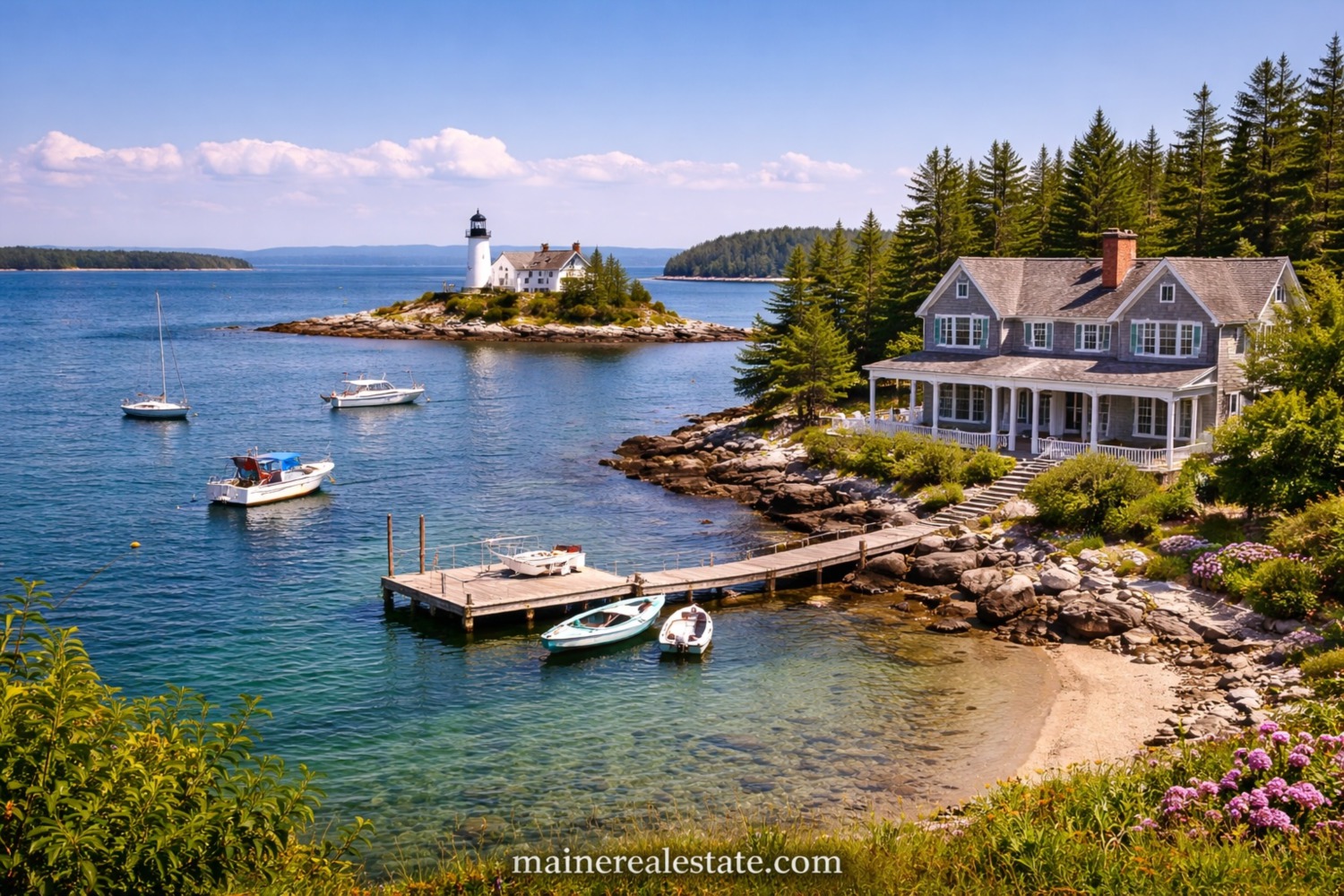
There’s something profoundly magical about Maine island living. While many people dream of coastal Maine properties, those who choose to live on an island experience something different entirely, a lifestyle that’s simultaneously slower, more connected, and decidedly more intentional. Whether you’re considering a move to Mount Desert Island’s quieter communities, exploring Peaks Island’s proximity to Portland, or fantasizing about the remote beauty of Vinalhaven, Maine island real estate represents some of the most distinctive property opportunities on the Eastern Seaboard.
This comprehensive guide walks you through everything you need to know about purchasing island property in Maine, from the practical realities of ferry schedules to the lifestyle rewards that draw people to these communities year after year.
Understanding Maine’s Island Communities
Maine’s geography has created a remarkably diverse collection of inhabited islands, each with distinct character, accessibility, and real estate markets. Before diving into specific islands, it helps to understand the fundamental difference between bridge-connected and ferry-dependent islands, a distinction that profoundly impacts daily life and property values.
Bridge-Connected vs. Ferry-Dependent Islands
The most crucial factor in Maine island real estate is accessibility. Bridge-connected islands offer vehicular access to the mainland, making them substantially easier for daily commuting and supply deliveries. Examples include Mount Desert Island (connected via bridge at Bar Harbor) and Deer Isle (connected near Stonington). These islands typically see higher property values and more sustained population growth, as the convenience factor offers features for those who want island aesthetics without island isolation.
Ferry-dependent islands require boat travel for vehicles and people. Peaks Island (20 minutes from downtown Portland), Vinalhaven (75 minutes from Rockland), Islesboro (30 minutes from Belfast), and Chebeague Island (45 minutes from Casco Bay) all operate regular ferry services, but the logistics create meaningful lifestyle adjustments. Groceries, building materials, and vehicle maintenance require planning. Your car stays on the mainland, or you rely on island taxis and services. This friction point dramatically affects property values, typically 30 to 40% lower than comparable bridge-connected properties, but it also preserves a certain quietness and insular community spirit that many newcomers find deeply appealing.
Mount Desert Island: Beyond Bar Harbor’s Shadow
Mount Desert Island represents Maine’s largest island real estate market, but most attention focuses on the Bar Harbor area and Acadia National Park. The less-heralded communities on Mount Desert Island often offer superior value and a more authentic island experience.
The MDI Market Beyond Bar Harbor
While Bar Harbor commands premium prices ($500,000 to $2,000,000+ for waterfront homes), neighborhoods like Northeast Harbor, Seal Harbor, Southwest Harbor, and West Tremont offer similar coastal beauty with substantially lower entry points. Northeast Harbor remains distinctive but slightly more accessible ($400,000 to $1,500,000 range), while West Tremont’s working waterfront communities provide genuine maritime authenticity at more moderate price points ($250,000 to $800,000 for waterfront or water-view homes).
Mount Desert Island homes benefit from year-round infrastructure, reliable utilities, and proximity to Bar Harbor’s robust services. The island hosts medical facilities, schools, shopping, and restaurants that would typically require mainland commuting on smaller islands. Property appreciation on Mount Desert Island has historically outpaced other Maine island communities, making it attractive to investors alongside primary residence buyers.
The island’s bimodal real estate market creates interesting opportunities. Summer seasonal demand pushes prices higher during spring and early summer, while fall and winter often present better negotiating windows. Rental potential is significant, with vacation rental markets in Bar Harbor and Northeast Harbor creating strong income streams for those interested in part-time rental operations.
Peaks Island: Portland’s Island Escape
Peaks Island sits just 20 minutes by ferry from downtown Portland, close enough for commuters, far enough to feel genuinely removed from the city. This proximity has made Peaks Island one of Maine’s most active island real estate markets in recent years, as remote work has untethered professionals from traditional downtown offices.
Community and Lifestyle
Peaks Island hosts a year-round population of roughly 900 residents who enjoy remarkable community cohesion. The island operates its own elementary school (with secondary students traveling to Portland via ferry), maintains volunteer fire and rescue services, and supports local artists, entrepreneurs, and service providers. The island’s economy increasingly relies on creative professionals, remote workers, and residents who’ve chosen island living specifically for its quietness and community orientation.
Infrastructure on Peaks Island includes reliable electricity, water systems, and modern telecommunications (including broadband options that work adequately for remote professionals). The ferry system operates frequently, with service to downtown Portland’s waterfront, making commuting viable for those with Portland employment.
Real Estate Characteristics
Peaks Island real estate spans $300,000 to $1,200,000, depending on proximity to water, views, and property size. Waterfront properties command premium pricing, while inland homes offer better value. The market has appreciated steadily, with year-over-year gains of 3 to 7% typical over the past decade. The island’s small inventory and strong local preference for preserving character often means limited listings, requiring advance relationship-building with local agents and networks.
Peaks Island properties appeal strongly to buyers seeking primary residences with walkable communities, artist sensibilities, and cultural engagement, the island hosts galleries, studios, and regular community events that create a vibrant cultural scene unusual for islands of its size.
Find Your Ideal Maine Island Home
Maine island living offers authentic community, natural beauty, and genuine escape. Bean Group agents specialize in Maine island properties and understand island-specific market dynamics. Let’s explore island living options.
Vinalhaven and North Haven: The Remote Island Experience
For those serious about isolation and maritime authenticity, Vinalhaven and North Haven represent Maine island real estate at its most raw and genuine. These Fox Islands communities sit 75 minutes by ferry from Rockland, creating a substantial time investment for mainland access.
Vinalhaven’s Character and Market
Vinalhaven evolved as a granite-quarrying and fishing community, creating a working waterfront culture that persists today. The island hosts approximately 1,200 year-round residents alongside a seasonal population of summer visitors and residents. Real estate ranges from $150,000 (small inland homes) to $600,000+ (waterfront properties), with the market characterized by genuine values and authentic maritime communities rather than resort-destination pricing.
The Vinalhaven market attracts buyers seeking radical lifestyle change, remote workers, those seeking lifestyle change, and those genuinely fleeing suburban or urban existence. The island’s isolation is intentional for many purchasers, who value the time investment required to reach the mainland as a feature rather than a drawback. Ferry schedules shape daily existence; planning grocery runs, medical appointments, and social visits requires looking at ferry timetables like islanders check weather forecasts.
North Haven’s Sophistication
North Haven, Vinalhaven’s quieter neighbor, commands substantially higher real estate prices ($400,000 to $2,500,000+ for waterfront properties) due to its reputation as a destination for those with established professional credentials and those seeking established communities. The island hosts the notable North Haven Summer School of Dance and maintains year-round population of roughly 400 residents. Properties reflect both working waterfront character and established wealth, creating mixed community dynamics.
North Haven appeals particularly to buyers with established professional credentials or financial means, who want island authenticity without the frontier-settlement sensibility that characterizes some Vinalhaven experiences.
Chebeague Island: The Quiet Alternative to Peaks
Chebeague Island sits 45 minutes by ferry from Casco Bay, longer than Peaks Island, but substantially more remote than nearby alternatives. This positioning has created a distinctive market characterized by stable, committed islanders rather than mainland-commuting professionals.
Community Structure
Chebeague Island supports roughly 350 year-round residents in a remarkably cohesive community. The island operates its own elementary school, maintains municipal services, and hosts engaged residents who’ve chosen island living quite deliberately. The community values conservation and quality-of-life considerations over growth and development, creating a deliberate, intentional atmosphere.
Real estate prices range from $250,000 (modest inland properties) to $1,000,000+ (waterfront estates), with most activity in the $400,000 to $700,000 range. Properties here appeal to those seeking established island communities with demonstrated staying power rather than speculative summer homes or part-time rental properties.
Islesboro: The Residents’ Island
Islesboro, 30 minutes by ferry from Belfast, has evolved as Maine’s most economically diverse island, a rarity in coastal Maine real estate. The island supports working boatyards, service providers, and artisans alongside retired professionals and remote workers, creating genuinely mixed communities rather than seasonal-resident demographics.
Market Characteristics
Islesboro real estate ranges from $180,000 (small homes and camps) to $1,200,000+ (premium waterfront properties), with substantial inventory in the $350,000 to $650,000 range. The island’s economic diversity means smaller price premiums for waterfront access than many Maine islands, making it relatively accessible for buyers seeking genuine island living at moderate price points.
The island operates its own K-12 school system, maintains full municipal services, and hosts engaged year-round communities. Ferry service runs regularly, with vehicle ferry available, making the island substantially more accessible than Peaks or Vinalhaven. Properties on Islesboro appeal to buyers valuing practical island living, those who want island community without extreme isolation or lifestyle adjustment.
Deer Isle and Stonington: Connected Island Communities
Deer Isle connects to the mainland via a historic suspension bridge, eliminating ferry logistics while maintaining island character. This positioning creates interesting real estate dynamics, as accessibility without complete mainland integration attracts diverse buyers.
Stonington’s Working Waterfront
Stonington, Deer Isle’s working fishing village, maintains genuinely active commercial fishing operations alongside tourism and residential communities. The area hosts galleries, studios, and restaurants serving visitors, but the economy remains rooted in maritime work. Real estate ranges from $200,000 to $800,000, with waterfront properties commanding substantial premiums.
The market here attracts creative professionals, artisans, and those seeking connection to Maine’s maritime heritage. Stonington properties often appeal to buyers interested in artist communities and cultural engagement rather than resort development.
Broader Deer Isle
Deer Isle beyond Stonington includes several neighborhoods, Sunshine, Mountainville, and others, each with distinct character. The island’s bridge connection makes it accessible for daily mainland work, expanding the buyer pool substantially. Real estate values range more broadly ($150,000 to $1,500,000+) depending on location, views, and waterfront access.
Cranberry Isles: The Quiet Explorer’s Choice
The Cranberry Isles, a group of small islands south of Mount Desert, remain remarkably quiet and uncommercial. Islesford and Little Cranberry Island (Sutton Island) maintain small year-round populations and limited services, creating an authentic frontier island experience.
Real estate here is scarce and distinctive, with most properties ranging from $250,000 to $750,000. The market appeals to those with genuine commitment to island living and maritime connection, as services and accessibility remain limited. Properties typically require renovation and maintenance sophistication from purchasers.
Infrastructure Realities: The Hidden Complexity of Island Living
Island property purchases require refined understanding of infrastructure challenges that mainland properties rarely present. These realities shouldn’t deter genuinely committed buyers, but they should inform decision-making profoundly.
Water and Septic Systems
Most Maine island properties rely on well water rather than municipal systems. Well testing requires professional evaluation, island geology means varying water quality, and some wells have documented contamination issues. Prospective buyers should always insist on comprehensive water testing covering bacteria, minerals, and chemical contaminants. Treatment systems (filters, softeners, reverse osmosis) are common and should be factored into property budgets.
Septic systems face unique island challenges. High water tables, rocky terrain, and environmental regulations create constraints. Many island septic systems operate at reduced capacity compared to mainland installations, and pumping services require ferry-dependent specialists. Some properties utilize alternative systems (waterless toilets, treatment plants) worth understanding before purchase.
Electrical Systems
Island electrical service generally works well, most islands connected to the mainland grid receive reliable power. However, service restoration during outages may take longer due to ferry-dependent repair crews. Backup systems (generators, batteries) are prudent but expensive investments. Some off-grid properties exist, requiring solar/wind systems and energy conservation discipline.
Internet and Telecommunications
Modern internet connectivity increasingly influences island property values, particularly for remote workers and residents. Infrastructure varies dramatically. Peaks Island and Deer Isle offer robust broadband. Vinalhaven, North Haven, and Islesboro have improving options but may involve satellite systems or wireless providers with limitations. Prospective buyers should verify specific address connectivity with local providers before purchasing, as infrastructure can vary dramatically within small geographic areas.
Heating and Fuel
Island heating typically relies on propane or fuel oil, with delivery dependent on ferry service during winter months. Stocking fuel in advance is essential in November and December before seasonal weather complicates service. Some properties have fireplaces or woodstoves providing backup heating.
Explore Maine Island Properties
Ready to learn more about island living in Southern Maine? Our team understands the unique aspects of island real estate from coastal communities like Cape Elizabeth to remote islands. Contact us today to discuss your island real estate goals.
The Economics of Island Living
Beyond purchase price, island properties carry distinctive economic considerations that affect long-term affordability and satisfaction.
Ferry Costs and Logistics
Residents transporting vehicles to ferry-dependent islands face substantial annual costs. A round-trip vehicle ferry fare might cost $15 to $25 per trip, with residents frequently making 2 to 4 mainland trips monthly. Annual ferry costs for vehicle transportation easily reach $1,000 to $2,000, and that excludes passenger-only fares. These costs rarely appear in property marketing materials but significantly impact annual budgets.
Service and Supply Delivery
Island properties face elevated costs for professional services. Contractors, repairpersons, and specialists charge premium rates reflecting ferry time and logistics. A simple plumbing visit might cost $200 to $400 just for ferry transportation and time investment. Furnishings, appliances, and building materials require ordering and ferry coordination, often with elevated costs and longer timelines than mainland sourcing.
Seasonal Community Dynamics
Most Maine island real estate markets experience dramatic seasonal population fluctuations. Summer populations on many islands triple or quadruple as vacation residents and seasonal owners arrive. This creates cultural tension, local institutions suddenly cater to visitors, prices elevate, and community character transforms. Year-round residents often find summer seasons frustrating, while winter isolation can prove challenging for newcomers.
Property Insurance and Financing
Island properties sometimes face challenges with traditional mortgage financing and insurance. Some lenders view island mortgages as higher-risk, potentially requesting larger down payments or charging premium rates. Insurance companies occasionally exclude specific island locations or charge substantially elevated premiums. Property buyers should address financing and insurance feasibility before making offers.
Buying Island Property: The Practical Process
Island real estate transactions follow familiar processes with island-specific complications. Working with experienced local agents familiar with island properties is essential.
Finding Properties
Island real estate markets have smaller inventory than mainland communities, often making competition intense for quality properties. Building relationships with local real estate agents well before purchasing is advisable. Many desirable properties sell before appearing on public listings, particularly in tight communities where word-of-mouth networks remain powerful.
Due Diligence Challenges
Island properties require heightened due diligence. Essential questions include: Are septic and water systems adequate for desired use? Does internet connectivity support professional requirements? Are access roads maintained year-round? What’s the history of storm surge, flooding, or weather damage? How stable is the property’s foundational systems for island geology?
Site visits should encompass multiple seasons, watching properties in winter conditions reveals challenges that summer visits obscure. Ferry schedules, winter weather, and community dynamics look dramatically different when you’re not visiting during peak season.
Timeline Extensions
Island purchases often extend timelines beyond mainland norms. Inspections require ferry coordination. Some professionals must travel from the mainland, scheduling multiple trips. Storm seasons may delay construction contractors or inspectors. Winter weather can create unpredictable delays. Budgeting 60 to 90 days for island purchases is prudent, compared to 30 to 45 days typical for mainland properties.
Lifestyle Considerations Beyond Real Estate
Successful island living requires deliberate lifestyle adjustment beyond property considerations. Thoughtful buyers assess these factors before commitment.
Community Integration
Island communities are small enough that newcomers are immediately identifiable. Successful integration typically requires genuine interest in community participation, volunteering for local organizations, supporting local businesses, attending community events. Those seeking anonymity and privacy may struggle with the inevitable social interconnection of island living.
Professional and Educational Services
Island school systems vary widely in capacity and curriculum offerings. Schools serving islands like Peaks and Islesboro maintain robust programs, while smaller islands offer limited options requiring students to commute to mainland institutions. Prospective buyers with students should thoroughly research available programs and transition logistics.
Healthcare access depends on island size and proximity to mainland facilities. Preventative care often requires mainland travel. Emergencies are managed through ferry service and mainland hospitals, generally adequate but occasionally complicated by weather. Those with chronic conditions or anticipated healthcare needs should assess island-accessible resources carefully.
Grocery and Consumer Services
Island shopping involves accepting more limited selection and higher prices than mainland grocery stores. Coordination with ferry schedules means shopping trips require planning rather than spontaneity. Service variety, dry cleaning, vehicle maintenance, specialized shopping, often requires mainland travel. This represents genuine lifestyle shift rather than minor inconvenience.
Social and Cultural Engagement
Island communities offer distinctive cultural advantages alongside limitations. Tight communities foster genuine social connection and sense of belonging that suburban or urban residents rarely experience. However, limited population means restricted social networks, limited professional networks, and sometimes claustrophobic social dynamics. Cultural events, entertainment venues, and professional opportunities depend heavily on ferry accessibility to mainland communities.
Investment Potential and Market Trends
Island real estate carries distinctive investment characteristics worth understanding, particularly for buyers considering rental potential or eventual resale.
Appreciation Dynamics
Maine island real estate has appreciated steadily over the past decade (3 to 7% annually typical), but with regional variation. Bridge-connected islands like Mount Desert and Deer Isle appreciate more reliably, while ferry-dependent islands experience more volatile markets dependent on seasonal tourism and broader economic conditions.
Seasonal rental potential attracts investors, particularly on islands with strong tourism infrastructure. Peaks Island, Bar Harbor area properties, and Northeast Harbor command premium rental rates during summer months ($2,000 to $5,000+ per week for quality properties). However, seasonal market limitations mean off-season vacancy often stretches September through May.
Market Accessibility
Island real estate markets vary substantially in liquidity. Mount Desert Island properties sell relatively quickly, while remote island properties may require 6 to 12+ months of marketing for sales. Buyers should consider eventual resale accessibility when purchasing, particularly if life circumstances might necessitate relocation.
Resale Considerations
Properties requiring substantial renovation or featuring idiosyncratic infrastructure choices (off-grid systems, unusual septic arrangements) sometimes prove challenging to resell. Standard properties on well-established islands with good access and typical utilities maintain better liquidity than unique or distinctive properties.
Making Your Island Real Estate Decision
Purchasing Maine island real estate represents major life decision extending far beyond financial investment. Successful transactions require honest assessment of lifestyle preferences, practical logistics, and long-term intentions.
Assessment Framework
Prospective buyers should address these fundamental questions:
Accessibility and Logistics: Can you accept ferry schedules and the logistics they impose? Do you need frequent mainland access, or does island isolation appeal?
Infrastructure Comfort: Are you willing to learn about well water systems, septic maintenance, and island-specific utilities? Do you possess (or can you hire) technical competence for island problem-solving?
Community Dynamics: Are you genuinely interested in small-community living? Can you envision sustained engagement with tight social networks?
Professional Requirements: Does your work accommodate island living? Does remote work capacity, financial situation, or freelance arrangements support your professional needs?
Financial Reality: Beyond purchase price, can you sustain the elevated costs of island living, ferry services, elevated contractor fees, supply costs?
Seasonal Tolerance: Can you manage island living’s seasonal character? Does winter isolation appeal, or does reduced population concern you?
Timing Your Purchase
Seasonal market dynamics create opportunities and challenges. Spring and summer attract maximum buyer interest and competition, typically pushing prices higher. Fall markets feature motivated sellers and less competition, often presenting better negotiating windows. Winter purchases occasionally benefit from reduced buyer pools, though weather can complicate transactions.
Working with experienced local agents who understand island-specific timing can provide significant advantages. Agents familiar with island markets understand which properties face persistent challenges versus which generate genuine competition.
Ready to Find Your Maine Island Home?
Maine island living offers authentic community, distinctive character, and genuine escape. But it requires understanding island-specific logistics, costs, and lifestyle demands. Bean Group agents specialize in Maine island properties and understand island-specific market dynamics. Discover your island property’s value or discuss your island real estate objectives with our experienced team.
Frequently Asked Questions About Maine Island Real Estate
What is the most affordable Maine island for real estate?
Vinalhaven typically offers the most affordable island real estate, with waterfront properties ranging from $250,000 to $600,000. Smaller properties and inland homes can be found for under $300,000. The lower prices reflect the remote location and ferry dependence, but the island offers genuine maritime character and stable communities for those seeking authentic island living.
Can I get a mortgage for island property?
Yes, but island properties sometimes require larger down payments (25 percent to 30 percent) compared to mainland properties. Lenders view island properties as higher-risk due to limited resale markets and infrastructure challenges. Working with banks familiar with island lending in Maine is essential. Some properties, particularly those with unique infrastructure challenges, may prove difficult to finance traditionally.
What are the best Maine islands for remote workers?
Peaks Island and Deer Isle offer the best internet infrastructure for remote professionals. Both have reliable broadband options supporting video conferencing and cloud-based work. Peaks Island particularly benefits from its proximity to Portland, with ferry service enabling occasional in-person meetings. Vinalhaven and Islesboro have improving connectivity, but infrastructure varies by specific address and requires verification before purchasing.
How long does it take to buy island property?
Island purchases typically take 60 to 90 days, compared to 30 to 45 days for mainland properties. The extended timeline reflects ferry-dependent inspections, weather delays, and contractor availability. Planning conservatively for timeline extensions is prudent when purchasing island real estate, particularly during winter months.
What’s the biggest challenge with island living?
Most newcomers underestimate the reality of seasonal isolation and the logistical challenges of supply deliveries, professional services, and mainland access. Successful island living requires genuine commitment to the lifestyle rather than romantic notions of coastal living. Winter populations and weather conditions create substantial adjustment periods for those accustomed to mainland convenience.
Can I rent my island property as a vacation home?
Yes, seasonal rental potential exists, particularly on islands with tourism infrastructure. Peaks Island, Northeast Harbor, and Bar Harbor properties command strong summer rental rates ($2,000 to $5,000+ weekly). However, off-season vacancy often stretches from September through May, limiting annual rental income. Some islands have zoning restrictions on short-term rentals, requiring verification before purchasing for investment purposes.
How much do ferry costs add to island living expenses?
Vehicle ferry costs typically range from $1,000 to $2,000 annually for residents making 2 to 4 mainland trips monthly. Additional passenger fares, freight shipping, and supply delivery coordination add substantially to living costs. Planning for 15 to 25 percent higher annual expenses for island living compared to comparable mainland properties is realistic when factoring in all island-specific costs.
Should I visit island properties multiple times before buying?
Absolutely. Visiting properties in multiple seasons, particularly winter, reveals challenges that summer visits obscure. Understanding winter weather, ferry service frequency, and reduced community dynamics provides essential reality-checking before making a major investment. Extended stay periods (rental arrangements) before purchasing can test lifestyle assumptions against reality and prevent costly decision regrets.
The Maine Island Living Reality
Maine island real estate offers something increasingly rare in American life, genuine communities with seasonal rhythms, environmental constraints, and genuine social connection. Mount Desert Island properties offer proximity to Acadia and established infrastructure. Peaks Island provides Portland accessibility with island character. Vinalhaven and North Haven deliver remote authenticity. Chebeague Island, Islesboro, Deer Isle, and smaller islands each offer distinctive community culture and real estate opportunities.
The islands aren’t for everyone, they demand deliberate acceptance of isolation, infrastructure complexity, and lifestyle adjustment. But for those genuinely drawn to coastal communities, maritime tradition, and intentional living, Maine island real estate represents access to remarkably distinctive properties and communities.
The market remains active, with continuing appreciation on well-positioned properties, particularly as remote work continues enabling professional flexibility. Properties combine tangible real estate value with intangible lifestyle benefits that resist straightforward financial quantification.
Taking the Next Steps
If Maine island living calls to you, begin by visiting islands in different seasons. Spend time in island communities during off-peak periods, understanding winter character alongside summer appeal. Connect with local real estate professionals who understand island-specific dynamics. Consider rental periods on islands before purchasing, testing lifestyle assumptions against reality.
Maine’s islands offer distinctive real estate opportunities and lifestyle rewards for committed buyers. Whether you’re drawn to Cape Elizabeth’s coastal charm, exploring Southern Maine’s broader market, or one of Maine’s distinctive islands, careful consideration and informed decision-making can lead to remarkably fulfilling real estate investments and life chapters.
Ready to explore Maine island real estate opportunities? Connect with local professionals who understand island communities and can guide you toward properties matching your vision of island living.
This guide reflects current market conditions and information accurate as of February 2026. Real estate markets, property availability, and infrastructure services evolve continuously. Consult with local real estate professionals for current market data, specific property assessments, and island-specific considerations relevant to your situation.