Portland, Maine has transformed from a charming coastal town into one of America’s most talked-about cities. Whether you’ve driven past the iconic lighthouses, heard about the renowned restaurant scene, or scrolled through Instagram photos of Casco Bay, you might be wondering: what’s it really like to live here? This guide will take you beyond the postcard-perfect images to help you understand whether Portland is the right fit for you.
Why Portland, Maine Has Captured the Nation’s Attention
There’s something special happening in Portland. Over the past fifteen years, this city of just 68,000 residents has become a magnet for professionals, remote workers, creative types, and newcomers looking to escape crowded metropolitan areas. What started as a quiet revival of historic neighborhoods has blossomed into a cultural renaissance that’s caught national attention.
The transformation wasn’t accidental. Portland has invested in itself deliberately, revitalizing the Old Port district, nurturing an exceptional food and drink scene, and fostering a thriving arts community. Major publications have taken notice. Bon Appétit named Portland a “Restaurant City of the Year” and magazines continue to rank it among the most desirable places to live in the Northeast.
But beyond the accolades, locals know that Portland’s real appeal lies in its authenticity. You’ll find a genuine, unpretentious community where neighbors know each other, local businesses thrive, and people actually walk outside during all four seasons (yes, even winter, it builds character). The city offers big-city amenities and culture in a compact, walkable setting where you’re never more than a few minutes from Casco Bay and its beautiful islands.
The downside? Everyone else has noticed Portland too. That means real estate prices have climbed dramatically, and the city struggles with growing pains typical of rapidly changing communities. But for many people, Portland’s unique combination of urban culture, natural beauty, and genuine community makes it worth the trade-offs.
Portland’s Neighborhoods: Finding Your Fit
Portland’s character differs dramatically from neighborhood to neighborhood. Where you choose to live will shape your daily experience, so let’s explore what each area offers.
Old Port Historic District
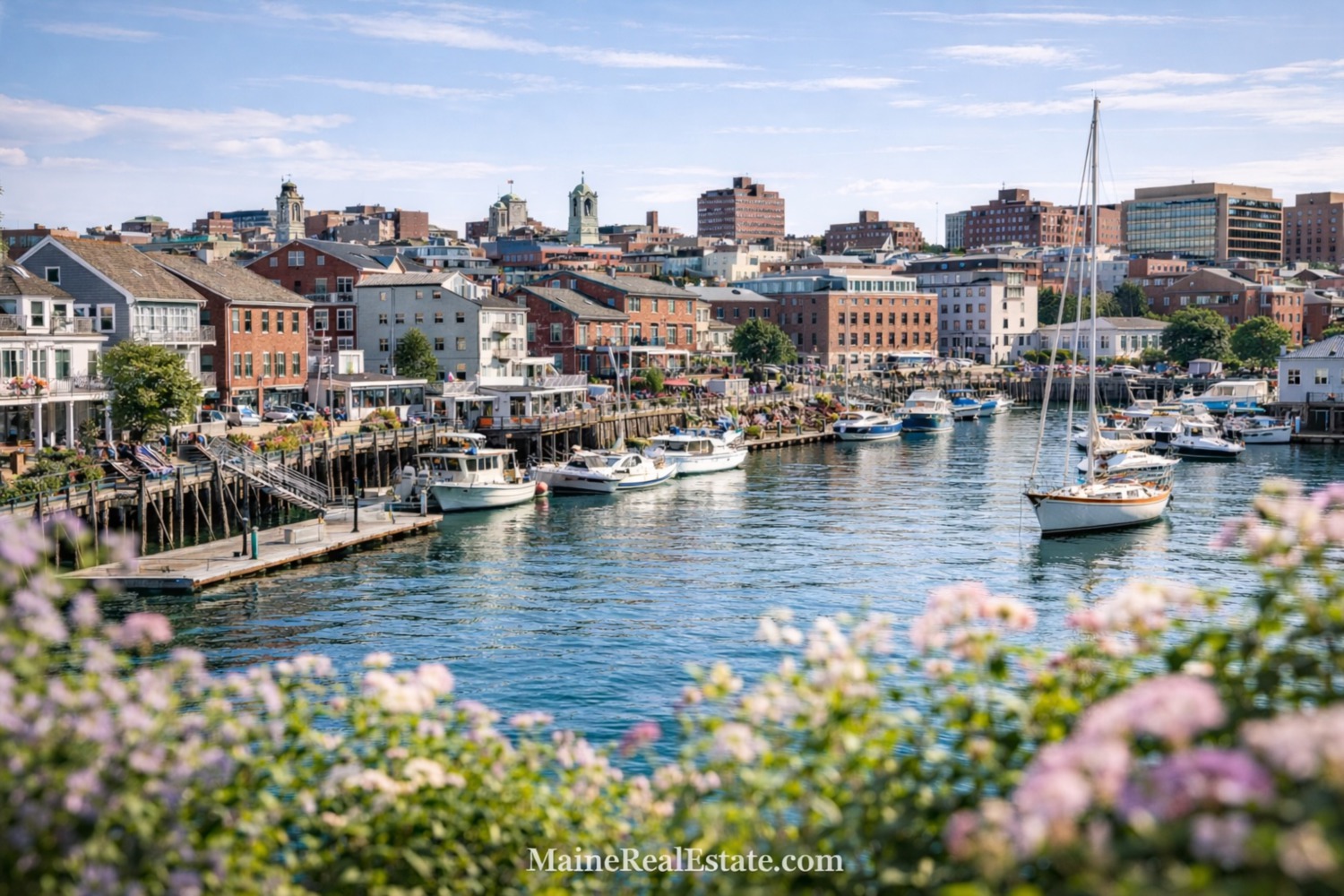
If you want to be in the heart of Portland’s action, Old Port is the place. This historic neighborhood hugs the waterfront with cobblestone streets lined with converted 19th-century brick buildings, now home to restaurants, galleries, bars, and boutiques. Seadog Brewing, Eventide Oyster Company, and countless other beloved establishments call Old Port home.
Living in Old Port means you can walk everywhere on foot. Concerts, farmers markets, festivals, and street fairs happen regularly right outside your door. On summer weekends, Old Port buzzes with energy, with locals and tourists blending together in sidewalk cafes and harbor-side walks. However, this vibrancy comes with noise, crowds, and limited parking. Restaurants stay open late, which means Thursday through Saturday nights can be quite lively. If you’re an early riser seeking peace and quiet, Old Port might keep you awake. Also, expect to pay a premium for Old Port living, this is where Portland’s priciest real estate lives.
West End
The West End strikes a balance many Portlanders love: walkable to Old Port and downtown, but quieter and more residential. Tree-lined streets reveal beautiful Victorian homes, local coffee shops, bookstores, and the iconic Congress Street corridor with independent businesses. This neighborhood attracts long-term residents and newcomers seeking urban amenities without the waterfront hustle.
West End has the convenience of city living without the noise of Old Port. You’ll find great schools here, neighborhood parks, and a strong sense of community. Many longtime residents have deep roots in West End, which means it has an established, stable feel. It’s also walkable to downtown jobs and restaurants. The trade-off? It’s less flashy than Old Port and less scenic than neighborhoods directly on the water. Real estate prices here are high but slightly more reasonable than Old Port, typically in the upper range.
Munjoy Hill
Munjoy Hill feels like an insider’s secret, a residential neighborhood perched on a hill overlooking Casco Bay. You get views, quiet streets, easy access to downtown, and actual parking without too much struggle. Browne Trading (a gourmet food destination) sits at the base of the hill, and the neighborhood has a village-like feel while being just minutes from Portland’s main attractions.
This neighborhood suits people who want walkable access to downtown without living in the thick of tourist crowds. Residents appreciate the calm, safe streets and the real sense of neighborhood. The hill also means more privacy and square footage for your money than Old Port. However, you will be walking uphill frequently, so this neighborhood isn’t ideal if you struggle with elevation, and you’re less immersed in the daily action of downtown Portland.
East End
East End is where professionals and newcomers increasingly cluster. It’s more residential than Old Port, with smaller homes and apartments, good walkability to parks and restaurants, and genuine neighborhood character. The neighborhood is undergoing development that’s generating both excitement and concern about gentrification and changing character.
Living in East End offers that sweet spot of being close enough to downtown to feel connected but removed enough to feel residential. Housing is somewhat more affordable than Old Port, and it’s where you’ll find many newer residents. The neighborhood is experiencing rapid change, which some embrace and others mourn. Some pockets of East End are still a bit rough around the edges, particularly further from downtown, so location matters within the neighborhood.
East Bayside
East Bayside sits along the Fore River and offers a quieter, more residential feel with good access to the Bayside neighborhood’s shops and restaurants. This area appeals to people wanting to be in Portland proper but with more of a neighborhood-centered, less touristy vibe. It’s becoming increasingly popular as people discover it offers a better balance of affordability and quality of life.
Deering Center
Moving slightly west, Deering Center is an up-and-coming neighborhood with charm and potential. Local restaurants and shops give it a village feel, it’s walkable, and it’s less expensive than closer-in neighborhoods. This is where people are buying if they want to say they live in Portland but have a lower price point.
Deering Highlands and Woodfords
These neighborhoods, further west, maintain more of a residential character while remaining connected to Portland. Woodfords has a strong neighborhood identity with local institutions and character. Deering Highlands offers more space and quieter living while maintaining walkable elements and proximity to downtown.
Back Cove
Back Cove is becoming increasingly desirable for people prioritizing outdoor access. A three-mile path circles Back Cove, making it ideal for runners, walkers, and bikers. Neighborhoods surrounding the cove are residential, quiet, and offer good value compared to closer-in areas. You’re further from downtown’s restaurants and nightlife, but you gain space, privacy, and outdoor access.
The Real Estate Market in Portland: What You Need to Know
Let’s talk money, because honest conversation about cost is essential to understanding Portland’s real estate market.
In 2019, the average home in Portland sold for approximately $325,000. Today, that same home sells for nearly $550,000 or more. That’s a 69% increase in just a few years. The median home price in Cumberland County (which includes Portland) now sits around $594,800. These aren’t abstract numbers, they represent a dramatic shift in affordability and accessibility for people considering a move.
What’s driving these increases? Several factors converge. Remote work has untethered people from major job centers, so workers from New York and Massachusetts can now live in Portland and work online. Supply hasn’t kept pace with demand, Portland’s housing stock is limited, and construction hasn’t expanded supply adequately. Investment firms and out-of-state buyers with stronger purchasing power have entered the market. And frankly, Portland has become desirable; people want to live here, and that demand drives prices.
For buyers with cash or strong financing, this can mean opportunity. For locals with modest incomes, it means homeownership has become nearly impossible. For renters, it means rents have increased 30% to 40% in some cases. Many longtime Portland residents have been displaced or priced out entirely.
If you’re considering buying in Portland proper, expect to spend $400,000 to $700,000+ for a modest home, depending on condition, location, and current market conditions. Condominiums and smaller properties may be in the $300,000 to $500,000 range. For guidance on this important decision, check out our complete guide to buying a condo in Portland. Luxury waterfront or premium Old Port properties can exceed $1 million easily.
Renting is somewhat more accessible, with apartments ranging from $800 to $1,300 for a one-bedroom depending on location and condition. But rent increases are common, and competition is fierce for quality rental properties.
Why Buyers Are Looking to the Suburbs
As Portland prices have climbed, savvy buyers have begun looking at neighboring communities. Why pay $550,000+ for a Portland condo when you could own a house with a yard in a quieter suburb?
South Portland (immediately south of Portland) offers convenient access to Portland amenities while typically running $50,000 to $100,000 less for similar properties. It has its own downtown, good schools, and many residents commute easily to Portland for work and entertainment. Learn more in our South Portland guide.
Westbrook (west of Portland) is experiencing significant growth and offers lower prices, good schools, and a strong downtown renaissance of its own. Properties here might run $350,000 to $500,000 for what you’d pay significantly more for in Portland. Check out our guide to Westbrook and other affordable alternatives.
Scarborough (south) offers a more suburban feel, good schools, and beach access. It’s becoming increasingly popular with buyers who want to be near Portland but have more space and affordability. Our Scarborough guide has everything you need to know about this thriving community.
Falmouth (north) is a beautiful, established community with excellent schools and a charming downtown. Median home prices here run around $960,000, so it’s not necessarily cheaper, but you get a lot of character and community for the investment. Learn more in our guide to Falmouth and Cumberland.
Cape Elizabeth offers coastal living with excellent schools and a tight-knit community feel. It’s pricier than some suburbs but less than Portland’s waterfront neighborhoods. Explore what makes this area special in our Cape Elizabeth guide.
Standish (west) offers suburban living with lower prices (median around $480,000), good schools, and that small-town New England feel, though you’re further from Portland’s attractions.
Cumberland (north) offers well-appointed suburban living with a median home price around $830,000. It’s charming and highly desirable, though not a budget option. Discover more in our comprehensive guide to this premier community.
The suburbs trade proximity and walkability for space, affordability, and often strong school systems. Many people find the trade-off worthwhile. You still have access to Portland’s restaurants and culture when you want it, it’s just a 15 to 30 minute drive rather than a walk.
Portland’s Food and Drink Scene: A National Treasure
Portland’s food scene isn’t just good, it’s nationally recognized as exceptional. This isn’t a marketing claim; it’s rooted in reality. James Beard Award winners, innovative chefs, and creative restaurateurs have made Portland one of America’s most exciting culinary destinations relative to its size.
Restaurants and Dining
Eventide Oyster Company has won national acclaim for elevated seafood. Allagash Brewing Company puts Maine beer on the national map. Bing Mi offers authentic Thai food. Briga offers Italian. Yasuko offers sushi. Central Provisions does inventive small plates. Eventide, Belly, Blessed Maine, the list goes on and on.
What makes Portland’s food scene special isn’t just high-end restaurants. It’s also the incredible density of good casual food. You’ll find phenomenal pizza, tacos, ramen, dumplings, and sandwiches throughout the city. The restaurant culture is genuinely collaborative rather than competitive, chefs cross-pollinate ideas, source from the same farms, and seem to genuinely want their community to thrive.
The food culture extends beyond restaurants. Portland’s farmers market is legendary. Whole Foods and local markets stock exceptional local produce. Home cooks and food enthusiasts find everything they need to cook well. Part of Portland’s appeal for many residents is simply living somewhere where food is taken seriously, where you can get fresh, quality ingredients year-round and eat at legitimate restaurants without paying New York City prices.
Breweries and Distilleries
Maine has become a beer destination, and Portland is beer central. Beyond Allagash, you have Foundation Brewing, Liquid Art Brewing, Rising Tide Brewing, Timber Creek Brewing, and many others. Each has its own personality, community following, and innovation. Breweries often host food trucks, live music, and community events, making them gathering places rather than just bars.
The spirits industry is also growing, with craft distilleries producing gin, whiskey, and rum that are gaining national recognition.
The Coffee Culture
Portland’s coffee culture is serious. You’ll find excellent espresso, pour-overs, and single-origin coffee at multiple locations. Coffee isn’t an afterthought, it’s a craft. For coffee enthusiasts, Portland is a dream.
Living in Portland means having access to exceptional food culture as part of daily life. This is genuinely a factor that makes many people happy to live here despite the cost. You’re not just moving somewhere, you’re moving into a community that cares deeply about flavor, quality, and the social aspects of eating and drinking together. For more on Portland’s vibrant culture, check out our guide to arts, culture, and dining in Portland.
Ready to Live the Portland Lifestyle?
If Portland’s vibrant food and drink culture appeals to you, the next step is finding the right neighborhood and home. Bean Group agents know Portland neighborhoods intimately and can help you navigate this dynamic market. Let’s discuss your Portland home search.
Arts, Culture, and Entertainment
Beyond food, Portland has a thriving arts and culture scene that punches above its weight for a city this size.
Visual Arts
The downtown arts district contains numerous galleries, artist studios, and creative spaces. First Friday Art Walk brings galleries, studios, and restaurants together for evening events that feel like neighborhood parties. The Portland Museum of Art is a genuine cultural institution with rotating exhibitions and a beautiful building. Independent galleries showcase local and emerging artists.
Performance Arts
Portland Stage Company, an equity theater, produces contemporary work. Portland Symphony Orchestra presents classical and pops concerts. Merrill Auditorium hosts touring performances. Live music venues range from the intimate (Free Trade Tavern) to larger spaces hosting touring acts.
Independent Bookstores and Literary Culture
Portland Booksellers and Books Etc. are beloved independent bookstores where you actually want to browse. Authors do readings. The literary community is active. For book lovers, Portland feels like home.
Festivals and Events
Throughout the year, Portland hosts street festivals, music festivals, food festivals, and cultural events. Old Port Festival, Concerts on Congress, Art Walk, farmers markets, and seasonal celebrations create a constant cultural calendar.
Living in Portland means having cultural options and intellectual stimulation available. There’s always something happening, and the events tend to be genuine community celebrations rather than corporate productions.
The Outdoors Are Always Close
Portland’s proximity to extraordinary outdoor recreation is a major draw. You’re never more than minutes from nature.
Beaches and Water
Casco Bay offers beaches, islands, and water activities. Peaks Island (accessible by ferry), Cape Elizabeth’s lighthouses, and numerous smaller beaches provide quick escapes. Summer swimming, kayaking, and sailing are easily accessible. Even in winter, the Casco Bay water offers dramatic beauty and the occasional polar bear club swim.
Hiking and Trails
The city has parks and trails a short distance from downtown. Fort Williams Park (in Cape Elizabeth) offers lighthouse views and coastal trails. Morse Mountain in Phippsburg provides serious hiking. The Fore River Sanctuary offers forested walking trails. Within 30 minutes, you have access to serious mountain hiking in New Hampshire and western Maine.
Skiing
Sunday River and Shawnee Peak are accessible day trips (90 minutes and 45 minutes respectively). Maine’s ski culture is strong, and winter sports are genuinely accessible for residents. For more on outdoor recreation, explore our comprehensive guide to outdoor living in Southern Maine.
Biking
Portland is increasingly bike-friendly. The Eastern Trail connects Portland to Kennebunk. The Back Cove loop is perfect for casual riding. Serious cyclists appreciate Maine’s coastal scenery and challenging terrain.
Living in Portland means outdoor adventure is literally built into your lifestyle. Whether you’re an active person or someone who just enjoys being outside, the proximity to natural beauty enhances daily life. Running on the Back Cove path at sunrise, kayaking on Casco Bay on summer weekends, or hiking to a New England summit in fall, these aren’t special activities, they’re part of living here.
Considering a Move to Portland’s Vibrant Urban Community?
Portland’s combination of walkability, outdoor access, cultural amenities, and authentic community makes it unique. Bean Group specializes in helping people understand Portland neighborhoods, evaluate affordability, and find homes that match their lifestyle priorities. Schedule a consultation to explore Portland opportunities.
Working in Portland: Jobs and the Remote Work Revolution
Portland’s job market has transformed dramatically with the rise of remote work. Traditionally, Portland jobs were concentrated in healthcare, education, retail, and tourism. Wages were generally lower than coastal Massachusetts or New Hampshire tech hubs.
That’s changing. Remote workers can live in Portland while earning big-city salaries from tech companies, finance firms, consulting companies, and digital-native businesses. This influx of remote workers has simultaneously boosted Portland’s economy and contributed to rising housing costs and changing culture.
If you’re considering a move to Portland, your employment situation is crucial. Can you work remotely? Are there specific Portland employers in your field? Do you have job prospects before moving?
For Remote Workers: Portland is increasingly friendly. Good internet connectivity is available throughout the city. Coworking spaces provide professional environments, networking, and community. Lots of remote workers are relocating to Portland, so you’ll find community.
For People Seeking Local Work: Healthcare, education, and tourism offer jobs. Portland Hospital, Maine Health, and various clinics employ healthcare workers. Schools hire educators. Growing technology and digital marketing firms are establishing presence in Portland. However, local job markets are typically more competitive and lower-paying than remote work opportunities.
The Coworking and Remote Worker Community
Space, Cove, and other coworking spaces provide professional environments. Remote workers increasingly organize around shared interests and work situations. Slack communities, networking groups, and shared experiences help remote workers build community despite working independently.
Before moving to Portland, secure your employment situation. Don’t rely on “finding something once you move.” Employment is the foundation of sustainable living anywhere.
Getting Around Portland: Walkability, Transportation, and Parking
Portland is unusually walkable for a city of its size, but transportation realities affect quality of life.
Walkability
Old Port, West End, and downtown are genuinely walkable. You can accomplish daily errands without a car. Many residents live car-free or car-light. Grocery stores, restaurants, cafes, bars, and entertainment are accessible on foot from central neighborhoods.
However, as you move to the periphery of the city (Deering Center, Back Cove neighborhoods), walkability decreases. You might be able to walk to some amenities but not everything. Suburbs are car-dependent.
Public Transportation
Metro buses serve Portland and surrounding communities. The system is reliable but limited compared to larger cities. One bus might come every 30 minutes. Service is better on main routes and less frequent on peripheral routes. Buses are reasonably priced but not as comprehensive as Boston or New York transit.
For many people, walkability matters more than public transit. If you’re going car-free, choose a central neighborhood carefully and ensure your daily destinations are accessible on foot.
Biking
Portland is increasingly bike-friendly. Bike lanes exist on main streets. Winter biking is possible but requires serious commitment (studded tires, specialized gear). Many people bike Spring through Fall but drive or take transit in winter.
Parking
Parking frustrates many Portland residents. Street parking is free but often difficult to find in popular neighborhoods. Apartment buildings may require paid parking or have limited spaces. Parking garages are available downtown but costly ($10 to $15 per day). If you don’t need a car, living without one in Portland is genuinely feasible.
If you work outside Portland or spend frequent time in suburbs, car ownership is essentially required. If you work downtown or remotely and don’t leave the city frequently, car-free or car-light living is viable.
Airport Access
Portland International Jetport (PWM) offers direct flights to many Northeast cities and some Florida destinations. Expect limited direct flights to West Coast or international destinations. Boston Logan Airport (1.5 hours south) offers more options. Having airport access is valuable, Portland International serves the community well for Northeast travel.
Portland’s Schools and Community Life
Portland public schools are generally well-regarded, though not perfect. The high school (Portland High School) has strong academic programs and arts offerings. Elementary and middle schools have strong reputations in certain areas. Some schools have higher ratings than others, location matters.
Private Schools
Portland has private school options including Waynflete (K-12) and others. These are solid options if public school doesn’t fit your needs.
Community Amenities
Portland offers parks, playgrounds, pools, and activities for all ages. The Children’s Museum, Science Center, and other attractions provide rainy-day and winter entertainment. The food scene is genuinely welcoming, you can take everyone to good restaurants without pretension.
However, living in Portland means dealing with:
- High costs of housing (child-rearing in high-priced markets is expensive)
- Limited parking and space challenges in central neighborhoods
- Tourist crowds (can be overwhelming in summer)
- Winter weather (some residents thrive in this; others struggle)
Many people seeking more space choose suburbs or neighborhood-focused areas for quieter environments. Others love walkable neighborhoods where they can independently access community amenities. It depends on your preferences and lifestyle. For school-specific information, our guide to school districts in Cumberland and York County provides detailed comparisons across the region.
The Challenges of Living in Portland: What You Need to Know
Portland is genuinely wonderful, but it’s also dealing with real challenges that shouldn’t be glossed over.
The Cost of Living
Housing prices have exploded. Income hasn’t kept pace. Renters and those seeking to buy homes face real affordability crises. Service workers, educators, and others in lower-wage fields are increasingly squeezed out. This is a genuine concern about who can actually live in Portland’s future. If you’re moving from a lower cost of living area, the adjustment can be significant.
Winter
Portland gets 70+ inches of snow annually. Winters are long (November through April feels like winter). Days are short. Darkness dominates from December to February. Some people thrive in winter’s quiet and snow sports opportunities. Others struggle with seasonal affective disorder and darkness. If you’re from warmer climates, the winter adjustment is real and significant.
Summer Crowds and Tourism
What makes Portland desirable also creates challenges. Summer brings tourists, making Old Port crowded and parking even more difficult. Locals often retreat to quiet neighborhoods or escape to the islands. If you want solitude, summer in Portland is crowded.
Parking and Urban Limitations
If you want a big house, yard, and garage, Portland proper can’t deliver that. Central neighborhoods mean smaller spaces, street parking, and limited privacy. This suits some people perfectly. It frustrates others. Know yourself before moving.
Growth and Change
Portland is changing rapidly. Long-term residents mourn the loss of character as chains open, rents rise, and new developments reshape neighborhoods. There’s genuine tension between Portland’s appeal and its preservation. Change is often uncomfortable, even positive change.
The Parking Crunch
We mentioned it before, but it bears repeating. Parking is genuinely frustrating. This might seem like a minor complaint, until you’re circling the neighborhood for 15 minutes looking for a spot on a winter evening.
Is Portland Right for You? An Honest Assessment
After this deep dive, how do you know if Portland is actually right for you? Consider these questions:
Do you love walkable, urban neighborhoods? If you need space, lawns, and quiet suburban living, Portland neighborhoods won’t satisfy you. Suburbs or more rural Maine might be better.
Are you financially prepared for high housing costs? If you can’t afford $400,000+ to buy or $1,200+ to rent a decent apartment, Portland is likely unaffordable for you. Suburbs offer better value. Our guide to home values in Greater Portland can help you understand what’s realistic in today’s market.
Do you embrace winter? If you’re not comfortable with heavy snow, gray days, and long darkness, Maine winters will feel challenging. If you love winter sports and quiet snow-covered landscapes, winters are magical.
Do you value food, culture, and community? Portland’s appeal centers on these elements. If you prioritize these, you’ve found your match. If you’re indifferent to restaurants and cultural events, Portland’s high costs seem less justified.
Can you work remotely or find Portland employment? Jobs are essential. Secure employment before moving.
Are you okay with managing without a car? If you can walk, bike, or use transit to accomplish daily life, Portland is feasible. If you must drive everywhere, Portland’s parking challenges will frustrate you.
Do you want proximity to outdoor recreation? If hiking, kayaking, skiing, and coastal access excite you, Portland’s location is perfect. If you don’t engage with outdoor activities, the appeal diminishes.
Are you genuinely excited about moving here, not just visiting? Tourists love Portland. Residents have a more complex relationship with the city. The excitement of visiting is different from the reality of daily life, winter storms, and navigating a changing community. Make sure you’re excited about the genuine experience, not just the vacation version.
The Bottom Line
Portland, Maine is a genuinely special place. The combination of walkable urban neighborhoods, nationally recognized food and culture, outdoor proximity, and a real community of creative, interesting people is difficult to match. Many people find that the benefits justify the costs and challenges.
At the same time, Portland is increasingly expensive, increasingly crowded, and increasingly changed from what it was. It’s worth moving there for the right reasons, not because it’s trendy or because you fell in love with it during a weekend visit, but because the actual daily lived experience of Portland resonates with your values and lifestyle.
If you love walkable neighborhoods, restaurant culture, arts and community, reasonable proximity to outdoor recreation, and the challenge of living in a vibrant urban environment, Portland may be exactly right for you. If you need space, affordability, quiet, or don’t engage with food and cultural scenes, you might find more satisfaction elsewhere in Maine or in quieter communities.
Ultimately, only you can determine if Portland is right for your life. Use this guide to honestly assess the fit. Talk to people living there. Spend time not just visiting but imagining yourself working, eating, and living through all four seasons. That’s where you’ll find your answer.
Ready to Call Portland Home?
Portland’s authentic urban community, walkable neighborhoods, exceptional food and culture, and outdoor access create a unique lifestyle that many find deeply satisfying. If Portland resonates with you, Bean Group is ready to help you navigate the market, understand neighborhoods, and find the home that feels right. Whether you’re buying in Portland proper or exploring nearby suburbs like Gorham, Windham, or Westbrook for better value, we’ll guide you through every step. Get your home’s value or contact us to start your Portland home search today.
Frequently Asked Questions
What is the average home price in Portland, Maine in 2026?
As of 2026, the median home price in Portland is approximately $550,000 to $600,000, with significant variation by neighborhood and property type. Old Port and waterfront properties command premium prices, while neighborhoods further from downtown offer somewhat more affordable options. For the most current pricing information, our guide to home values in Greater Portland provides detailed market analysis.
Is Portland a good place to raise a family?
Portland offers excellent cultural amenities, good schools in certain areas, and access to outdoor recreation that many families find appealing. However, the high cost of living, limited parking in walkable neighborhoods, and crowded summers can present challenges. It depends on your family’s values and priorities. Some families thrive in Portland’s walkable neighborhoods, while others prefer the space and affordability of suburban alternatives.
Can you live in Portland without a car?
Yes, car-free living is feasible in central Portland neighborhoods like Old Port, West End, and downtown areas where most amenities are within close proximity. However, you’ll need to carefully select your neighborhood, and some activities may require occasional car rentals or rideshare services. Our commuting guide can help you understand transportation options by neighborhood.
How has remote work affected Portland’s real estate market?
Remote work has dramatically increased demand for Portland housing, as workers from higher-cost metros can now live here while earning urban salaries. This has driven up prices significantly since 2020, making Portland less affordable for local workers. It has also accelerated gentrification and changing neighborhood character in some areas.
What are the best neighborhoods for working professionals in Portland?
East End, Munjoy Hill, and West End appeal to many working professionals due to their walkability, proximity to restaurants and nightlife, and shorter commutes to downtown employers or coworking spaces. East End offers more recent development and lower prices than Old Port, while West End provides a quieter, more established neighborhood feel.
How does Portland compare to nearby communities like South Portland and Scarborough?
Portland offers walkability and cultural amenities but at premium prices. South Portland provides urban convenience at somewhat lower prices with shorter commutes to Portland. Scarborough offers more space and affordability with a suburban feel and beach access. South Portland and Scarborough guides provide detailed comparisons to help you decide.
What is the winter like in Portland, and is it a major factor for newcomers?
Winters are significant, with 70+ inches of snow annually and long periods of darkness from November through April. Some people embrace winter sports and the quiet beauty; others struggle with seasonal affective disorder. It’s a real adjustment for those from warmer climates and should be a major consideration in your decision to move.
What should I know about the Portland job market for someone relocating?
Portland’s job market is increasingly strong for remote workers but more limited for local employment in certain fields. Healthcare, education, and tourism are traditional employers. Before relocating, secure remote work or identify specific local employers in your field. Coworking spaces and networking communities support remote workers well.