
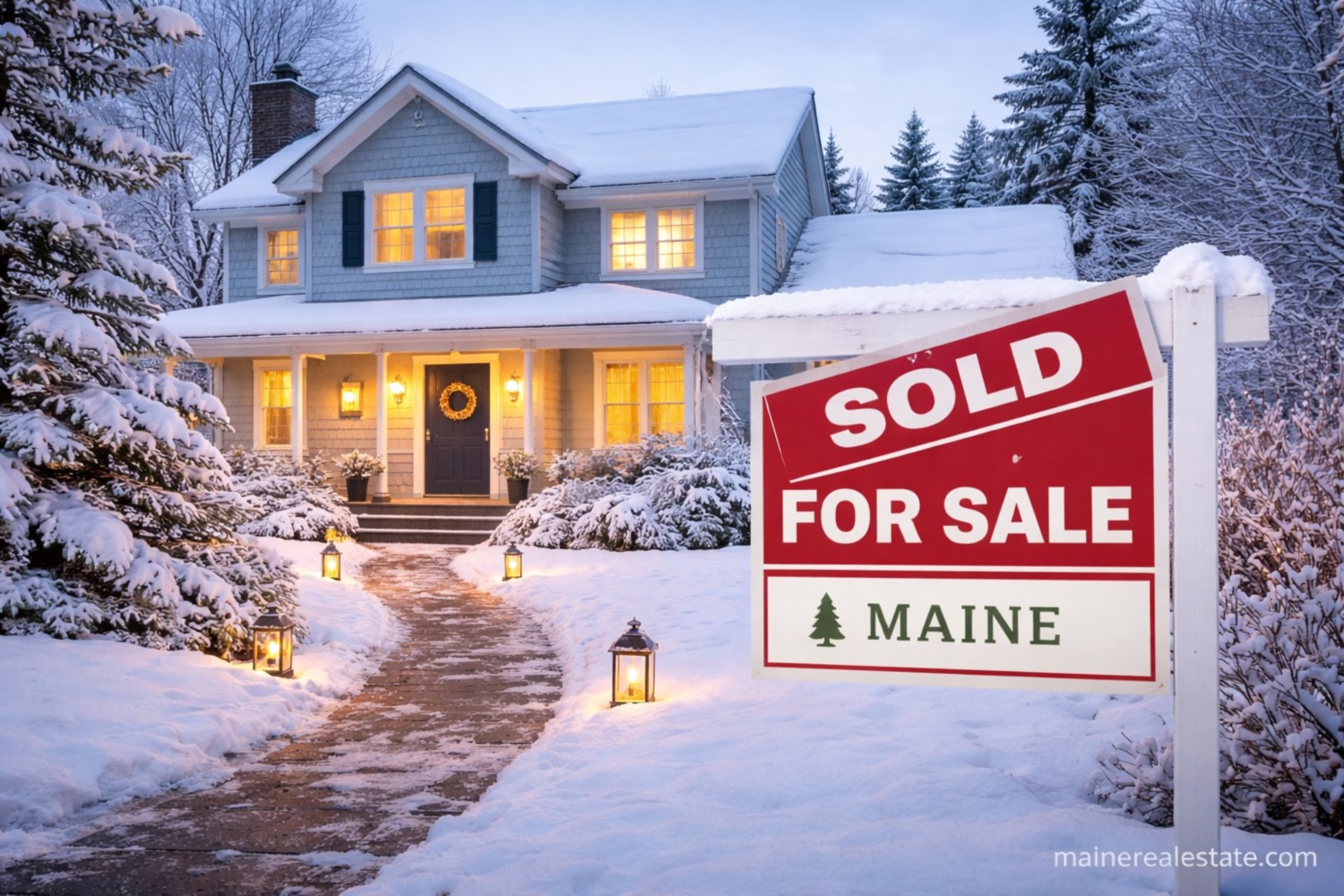
The Case for Winter Selling in Maine
When most people think about selling a home in Maine, they imagine listing in the warmth of spring or the golden light of autumn. Winter, with its snow-covered landscapes and shorter days, seems like an unlikely time to put a property on the market. Yet savvy sellers are discovering that winter can be a surprisingly advantageous season to sell in Maine. If you’re facing a winter sale, whether due to a job relocation, life changes, or simply wanting to avoid the spring market rush, this guide will walk you through the strategies and considerations that make winter selling not just viable, but potentially profitable.
Maine’s real estate market doesn’t shut down in winter, it simply shifts into a different rhythm. While the volume of listings does decrease as the season turns cold, this reduction in supply can actually work in your favor. With fewer homes on the market, your property faces significantly less competition. In spring and early fall, when listings multiply, homes can languish on the market as buyers exercise their pick of the litter. Winter offers a different dynamic entirely.
The buyers who actively search for homes during Maine’s winter months tend to be more motivated and serious. Life circumstances often drive winter home purchases: job relocations that can’t wait for spring, company transfers with set start dates, and major life transitions that demand a quick move. These buyers are not browsing casually, they’re ready to act. They’ve already made the decision to relocate or change their housing situation, and they’re committed to finding the right property. This translates to fewer price negotiations, more efficient showings, and faster closings.
Buyers who search in Maine’s winter market are typically serious and motivated, facing job changes, relocations, or life events that demand quick decisions. This creates opportunities for sellers willing to prepare their homes properly.
The seasonal window for strong selling in Maine actually extends well beyond summer. While late August through October represents the traditional peak season, savvy sellers have found success listing in early winter, before the holiday season in full swing. Days on market may stretch slightly longer than in peak season, but with less competition and more serious buyers, the quality of your offers often compensates for the longer timeline.
Want to understand your home’s winter value?
Our team specializes in pricing Maine homes strategically for winter market conditions. Get your free home valuation to see what your property could sell for this season, or schedule a consultation to discuss winter selling strategies specific to your situation.
Preparing Your Home for Winter Showings
The foundation of a successful winter sale rests on thorough preparation. Your heating system becomes your greatest asset in winter showings. Before you list, have your oil furnace, propane system, or boiler professionally serviced and inspected. Provide potential buyers with documentation of this recent maintenance. It’s a tangible reassurance that this critical system is reliable and efficient. Beyond maintenance records, compile your past heating cost history. If you have oil or propane usage records from the previous year or two, share them with interested buyers. This transparency reduces uncertainty and helps buyers feel confident in the home’s operating costs.
Energy efficiency upgrades deserve prominent mention in your preparation and later in your marketing. If your home features updated insulation, modern heat pump systems, new windows with high R-values, or an efficiently upgraded boiler, these improvements translate directly into lower heating bills, the primary concern for winter buyers. If you’ve made recent energy improvements, photograph the work and document the specifications and costs. These details will become powerful selling points.
The physical grounds demand meticulous attention. Clear driveways, walkways, and steps before every showing, treating them with ice melt, sand, or other appropriate materials. Winter buyers will be evaluating safety, accessibility, and the property owner’s diligence in maintenance. Icy, treacherous stairs and slippery driveways signal neglect and create liability concerns in buyers’ minds. Clean gutters and check for ice dams, which can indicate insulation or drainage problems. Inspect your roof from ground level if safe, and address any visible issues. Check that all porch lights, exterior fixtures, and driveway lights are in working order. With daylight in Maine lasting just eight or nine hours in December and January, potential buyers arriving for afternoon showings will see your property at dusk. Proper exterior lighting transforms the home’s nighttime appearance and addresses basic safety concerns.
Winter Staging Strategies for Maximum Appeal
Staging takes on new dimensions in winter. Before each showing, set your thermostat to a comfortable temperature, typically between 68 and 72 degrees. A cold home creates an immediate negative impression and suggests heating problems or poor efficiency. The warmth will be your home’s most valuable feature. Create an atmosphere of comfort and coziness. Place soft throws over sofas, add area rugs that define spaces, and use warm, layered lighting. If your home has a fireplace or woodstove, use it during showings. There’s something psychologically powerful about seeing a fire burning in the hearth on a snowy Maine day, it signals comfort and ease.
Holiday decorations require careful calibration. If you’re selling in late November through December, some tasteful seasonal decoration can enhance the warm, inviting atmosphere. However, avoid personal or religious symbols that might distract from the home itself or that some buyers might find off-putting. The goal is to create a generic sense of warmth and hospitality, not make assumptions about who should live here.
Interior lighting becomes paramount. Winter days are short, so showings often occur when natural light is fading or absent. Open all blinds and curtains during the day to maximize available sunlight, and ensure all interior lights are clean and fully functional. Consider adding extra lamp lighting in main living areas, not so bright as to feel institutional, but bright enough to feel welcoming rather than gloomy. Fresh paint in warm, neutral tones like soft grays, warm whites, or gentle beiges can transform a space that might feel dark or tired in winter light.
Don’t neglect the entryway, which buyers see first. Place an attractive boot mat just inside the door, provide space for coats, and consider a small stand or hooks for outerwear. This thoughtful staging acknowledges the reality of Maine winters and shows that your home is designed for comfort in the season in which you’re selling. It’s a subtle but powerful way to demonstrate winter-living competence.
Photography, Virtual Tours, and Winter Marketing
Professional photography becomes even more critical in winter. Cold, gray light requires expert handling to make interiors feel warm and inviting. Hire a professional photographer experienced with winter shoots, someone who understands how to use warm color temperature, strategic lighting, and angles that showcase your home’s best features despite the season’s challenging light. Include both interior shots and winter exterior photographs, but also incorporate summer or fall exterior photos in your listing. This approach gives buyers a complete picture of how their landscape will transform across seasons.
Drone photography can be particularly valuable in winter, showcasing your home’s setting, lot size, and surroundings with the unique perspective that aerial images provide. If your property has winter appeal, views of snow-covered forests, proximity to ski mountains, or beautiful terrain that’s visible even in winter, drone shots can emphasize these advantages. Virtual tours become especially valuable when winter weather limits the number of in-person showings. A high-quality 3D virtual tour allows serious buyers to explore your home thoroughly from their office or another state before committing to travel for an in-person viewing.
Professional interior photography with warm lighting, summer/fall exterior shots, and virtual tours are essential for winter marketing. They overcome the season’s lighting challenges and help serious buyers decide whether to view your property in person.
Your listing description should emphasize winter lifestyle and energy efficiency. Highlight proximity to skiing, snowshoeing trails, or winter recreational activities if applicable. For homes with cozy architectural features, wood beams, fireplaces, stone details, mention these explicitly as part of winter appeal. Devote several sentences to energy efficiency upgrades, recent heating system service, and documented heating costs. Frame these features not as necessities but as appealing selling points that reduce operational costs and increase comfort.
Selling a Maine home? Let’s discuss your options.
Whether you’re interested in a traditional listing, selling as-is, or learning about other selling strategies, our agents can help you understand what’s possible. Read our comprehensive step-by-step selling guide, explore as-is selling options, or contact us today to discuss your specific situation.
Smart Pricing Strategy for the Winter Market
Pricing strategy in winter requires balancing realism with confidence. Days on market tend to be longer in winter than in peak season, that’s simply the nature of the market. However, this doesn’t mean you should underprice your home to generate false urgency. Serious winter buyers understand seasonal market dynamics and are not influenced by arbitrary price reductions. Instead, price your home realistically based on comparable sales in your area, adjusted for seasonal factors and current market conditions. Work closely with your real estate agent to analyze comparable sales from the past three to six months, factoring in any necessary seasonal adjustments.
The advantage of less competition should inform your strategy. You’re not racing against dozens of other homes in the same price range. You have room to price confidently based on true market value rather than defensively trying to beat competing listings. Monitor your days on market and be prepared to adjust if needed, but give the market time to work. A home that takes 60 days to sell in winter often reflects a realistic, well-priced home rather than an overpriced one. Serious buyers will find it, they’re actively searching.
Understanding current Maine home values in 2026 is crucial to accurate pricing. Market conditions shift seasonally, and what sold for one price in October may command a different price in January. Your agent should provide detailed comparable sales data for your specific community to inform your pricing decision.
Showing Logistics and Winter Accessibility
Winter showing logistics demand flexibility and responsiveness. Snowstorms, icy conditions, and weather emergencies will cause showings to be rescheduled. Plan for this inevitability rather than resisting it. When weather forces cancellations, reschedule quickly and graciously. Maintain your driveway in cleared condition at all times, keeping it accessible even the morning after a snowstorm. This investment in driveway maintenance directly impacts your ability to show the home. Consider installing light timers on exterior lights and porch lighting so your home is well-lit even for early evening showings. If your property is vacant, maintain the interior temperature at a minimum of 55 to 60 degrees Fahrenheit. This protects against frozen pipes and water damage while ensuring the home shows well when potential buyers arrive.
For rural Maine properties, ensure that access roads are passable and plowed. Buyers won’t view homes they can’t reach, and a property that’s physically inaccessible due to winter conditions will not sell. Work with a reliable snow removal service if necessary to keep your driveway and property approach clear through the winter selling season.
The Winter Closing Process in Maine
The mechanics of closing a real estate transaction in Maine don’t change based on season. Maine is an attorney closing state, which means your real estate attorney will handle all closing documents, coordinate title searches, and ensure compliance with state regulations. The standard process includes title search, property inspection (if the buyer requests one), appraisal, and final walkthrough. Some inspections may be limited in winter, septic system inspections and well evaluations can be challenging in frozen conditions, but you can negotiate post-closing inspections if necessary. These agreements, worked out with your real estate attorney’s guidance, ensure that the transaction can proceed despite seasonal limitations.
Shorter days may affect scheduling logistics, but they don’t alter the fundamental closing timeline or process. You’ll work with your attorney, the buyer’s lender, and the title company to coordinate inspections, appraisals, and final closing. Most transactions close within 30 to 45 days, similar to any other season. Understanding your obligations before closing is important, so review Maine’s disclosure requirements and know what tax implications you may face.
When Winter Selling Makes the Most Sense
Winter selling in Maine works best in specific circumstances. If you’re facing a job relocation with a set start date, winter might not be optional, it’s a necessity. In this case, proper preparation becomes even more critical, as you’re managing a timeline that doesn’t align with traditional market peaks. Properties with strong winter appeal, think mountain views, proximity to ski resorts, cozy architectural character, often show particularly well in winter. These homes benefit from highlighting winter lifestyle amenities that would feel less relevant in a summer listing.
If you’re hoping to avoid the spring competition glut, listing in early winter positions you to close before March or April, when the market floods with new listings. Homes that demonstrate strong energy efficiency, whether through recent upgrades, well-maintained heating systems, or documented insulation improvements, have a natural advantage in winter showings regardless of the home’s age. A well-maintained older home with a recently serviced boiler and weatherized windows can show just as well as new construction. Ultimately, winter selling makes sense whenever your personal circumstances or property strengths align with the season, and when you’re prepared to execute the specific strategies that winter success demands.
Explore your home selling options
Ready to understand the full picture before listing? Check out our guide to costs associated with selling in Maine, and browse available homes for sale in Scarborough, Portland, and other Maine communities to understand your local market.
Winter Selling Success: Bringing It All Together
Selling a home in Maine during winter is not a second choice or a compromise on timing. When executed strategically, winter selling can actually be more efficient and profitable than battling the spring rush. Your preparation, maintaining heating systems, documenting energy efficiency, and keeping grounds clear, demonstrates professionalism and care. Your staging, creating warmth, managing lighting, and curating seasonal decoration, transforms the potential buyer’s emotional response to the home. Your marketing, professional photography, virtual tours, and description emphasizing winter appeal, reaches serious buyers where they’re searching. Your pricing reflects market reality and your confidence in the home’s value. Your showing logistics acknowledge seasonal realities and respond with flexibility.
Maine’s winter market is alive with opportunity for sellers prepared to meet it. The buyers searching for homes in December and January are serious, motivated, and ready to move forward. They won’t be distracted by dozens of comparable homes in the same price range. They’re looking specifically for a property that meets their needs, and if your home is that property, they’ll move quickly. A winter sale in Maine is not just possible, it can be the smart choice that gets your home sold efficiently while avoiding the competitive frenzy of spring.
Ready to list your Maine home?
Whether you’re selling now or planning to list soon, we’re here to help you understand your options and execute your strategy. Explore our pre-listing preparation guide for additional insights. Contact our team to schedule a consultation and get your free home valuation today.
Frequently Asked Questions About Selling in Maine’s Winter
Will my home sell faster or slower if I list in winter?
Days on market typically stretch longer in winter than during peak season. Expect 30 to 60 additional days compared to spring listings. However, this doesn’t reflect a lack of buyer interest, rather, there are fewer total buyers searching in winter. The advantage is that the buyers you do encounter are more serious and motivated. Many winter sales progress efficiently once under contract, and serious buyers may be less likely to make lowball offers or drag out negotiations. For context on seasonal trends, see our 2026 market analysis.
Should I reduce my price to sell faster in winter?
Price reductions aren’t necessary to sell in winter if your home is properly prepared and priced realistically for the market. Winter buyers understand seasonal dynamics and won’t be fooled by artificial pricing games. Price based on true market value, comparable sales, and your home’s specific features and condition. A confident, realistic price attracts serious buyers far more effectively than a desperate discount that signals problems.
What happens if a showing is cancelled due to winter weather?
Weather cancellations are inevitable in Maine winters. Work with your real estate agent to reschedule cancelled showings promptly. Communicate with prospective buyers’ agents to understand their needs and find new times that work. Keep your driveway plowed and your property accessible and well-lit for rescheduled viewings. Treating weather cancellations as a normal part of winter selling, rather than a frustration, helps maintain momentum and keeps interested buyers engaged.
How important is heating system documentation in a winter sale?
Heating system documentation is invaluable in winter selling. Before listing, have your furnace, boiler, or heat pump professionally serviced and inspected. Provide buyers with service records and documentation proving the system is efficient and well-maintained. Additionally, share past heating cost history if you have oil or propane usage records. These documents directly address a winter buyer’s primary concern, will this home be expensive to heat, and provide concrete reassurance rather than assumptions.
Can I sell a vacant Maine home in winter?
Yes, but it requires particular attention. Maintain interior temperature at a minimum of 55 to 60 degrees Fahrenheit to prevent frozen pipes and water damage. Ensure all exterior lights are on timers so the home is well-lit for evening showings. Consider scheduling regular walkthrough checks to ensure the home is in showing condition. Many buyers prefer to see homes with interior lighting on and temperature at comfortable levels, which vacant homes require proactive management to achieve.
What should I disclose when selling a home in winter?
Maine law requires sellers to provide specific disclosures to buyers. These include information about the property’s condition, water source, septic system, structural elements, and any known issues. Winter doesn’t exempt you from these requirements. In fact, being transparent about how the home performs in cold weather, heating costs, insulation quality, and any seasonal concerns strengthens your credibility with buyers. Review our complete guide to Maine disclosure requirements to ensure full compliance.
Will I owe capital gains tax on my winter home sale?
Capital gains tax implications don’t change based on the season you sell. However, understanding your potential tax liability is important when planning a sale. Most homeowners can exclude up to $250,000 of capital gains ($500,000 if married filing jointly) if they’ve owned and lived in the home for at least two of the past five years. For specific guidance on your situation, consult a tax professional. Learn more in our article on capital gains considerations for Maine sellers.
How do I find buyers for a winter home sale in Maine?
Winter buyers are searching actively despite the season, often due to job relocations, corporate transfers, or other pressing life circumstances. A qualified real estate agent will market your home to national relocation services, corporate transfer agents, and investment buyers who focus on winter transactions. Professional photography, virtual tours, and comprehensive online listing are critical to reaching these motivated buyers before they view competitors’ homes. Your agent should also leverage network connections with other agents across Maine and beyond to generate buyer interest. Our team specializes in connecting sellers with the right buyers, whatever the season.
Ready to Sell Your Maine Home This Winter?
Selling in Maine’s winter market is an opportunity for sellers prepared to embrace the season strategically. At Bean Group, we specialize in helping Maine homeowners understand their market and execute selling strategies tailored to seasonal conditions and personal circumstances. Whether you’re managing a job relocation, avoiding spring competition, or simply ready to move forward with a change, our team brings expertise in winter marketing, pricing strategy, and the logistics that make Maine winter sales successful.
Start with a free home valuation to understand what your property is worth in today’s market. Then, schedule a consultation with one of our agents to discuss whether winter selling aligns with your goals and how we can position your home for maximum appeal and competitive offers. The buyers searching in Maine’s winter market are serious and motivated. Let’s connect your home with the right one.
Explore Related Maine Real Estate Resources
Interested in learning more about selling or living in Maine? Browse our guides to specific communities and selling strategies: